

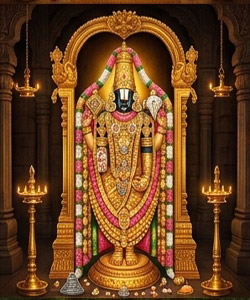
Lord Vishnu (Narayana) Temple
Triyuginarayan Temple
Triyuginarayan Temple is a revered shrine in Uttarakhand’s Garhwal Himalaya, in the village of Triyuginarayan near the Kedarnath region. The temple is dedicated to Lord Vishnu, but it is especially famous as the traditional site of the divine wedding of Shiva and Parvati. An eternal fire burns in front of the shrine, and devotees believe it has been kept alive since the marriage. Couples visit to seek blessings for their own married life, making the temple a prominent destination for both pilgrimage and wedding ceremonies.
The temple’s legend places the marriage of Shiva and Parvati in the presence of Vishnu, who is said to have acted as the officiating priest. Brahma is traditionally identified with the role of a witness. The sacred fire, known as the Akhand Dhuni, is believed to have witnessed the wedding and is maintained at the temple. Pilgrims take ash from the fire as a blessing. The narrative is a living religious tradition, and the temple’s ritual life gives it continuing significance beyond the story itself.
The shrine’s architecture resembles the stone temples of the Kedarnath region, with a simple Himalayan form suited to its mountain setting. Nearby sacred kunds are associated with the divine wedding and with the gathering of the gods. These water features are named in local tradition and form part of the temple’s ritual geography. Visitors often circumambulate the shrine and offer prayers before the eternal fire, while couples may perform wedding rites in accordance with local customs.
Triyuginarayan is accessible by road from the region’s pilgrimage routes, but weather and seasonal conditions can affect travel. The high-altitude location requires planning, especially during winter or monsoon. Visitors should check current access and accommodation information before setting out. The temple is significant for its link with Shiva and Parvati’s marriage, the continuous ritual care of the sacred fire and the way it serves couples and pilgrims today. It remains a living centre of worship in the Garhwal hills.
The sacred water tanks around the temple are associated with the divine wedding and are used by pilgrims as part of their visit. The eternal fire is maintained by temple attendants, and devotees traditionally take a small quantity of its ash as a blessing. These practices give the legend a direct place in contemporary ritual. Triyuginarayan is also increasingly chosen for weddings, but couples should arrange ceremonies with the temple well in advance and follow its customary procedures. The temple’s religious identity is grounded in the Shiva-Parvati tradition, not only in modern destination-wedding interest.