

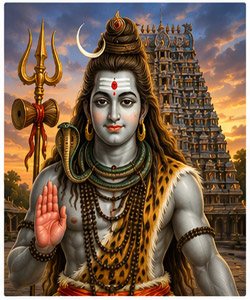
Shiva Temple
Thrithala Siva Temple
Thrithala Siva Temple, also known as Trithala Maha Siva Temple, is an active Shiva shrine on the banks of the Bharathapuzha River in Thrithala, Palakkad district, Kerala. The temple is a central landmark of the village and part of a landscape known for its river, archaeological remains and literary traditions. The deity is worshipped as Shiva, and the shrine is remembered locally as Thalathilappan, a name connected with the distinctive account of the linga’s discovery and form.
The temple’s tradition explains that the Shiva linga is associated with sand that became solidified into the sacred image. The Kerala Land Revenue village portal records this local belief and notes that the linga’s appearance resembles an accumulation of sand. The story is a sacred explanation rather than a geological or archaeological account, but it gives the shrine a specific devotional character. The same tradition says that the river changed its course to leave space for the temple. The nearby Bharathapuzha is therefore more than a scenic backdrop: it shapes the temple’s sacred geography and the village’s wider cultural identity.
Thrithala has long been recognized as a historically significant settlement. Kerala Tourism notes the nearby mud-fort remains and identifies the Shiva temple as one of the region’s notable cultural monuments. The shrine is also mentioned in Aithihyamala, Kottarathil Sankunni’s influential collection of Kerala legends, and in Malayalam literary traditions. Some accounts suggest the site may have had earlier Buddhist associations, but these interpretations should be treated cautiously and distinguished from the temple’s present identity as a Hindu shrine dedicated to Shiva.
Daily worship continues at the temple, and local devotees visit for darshan, offerings and family prayers. The annual calendar includes Shaiva observances, with Maha Shivaratri among the important occasions. Visitors should check local information for current timings and festival dates. As at other active Kerala temples, dress and access rules apply, and the sanctum is a ritual space where quiet and respectful conduct are expected.
Thrithala Siva Temple is significant as a living Shaiva centre beside the Bharathapuzha, as a place anchored in local sacred stories and as a landmark within a village with a deep literary and historical heritage. Its relatively quiet setting offers a different experience from Kerala’s larger pilgrimage centres. A visit can connect the worship of Shiva with the riverine landscape and the cultural memory of Palakkad district, while keeping the temple’s present-day devotional purpose at the centre.