

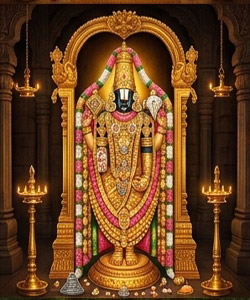
Vishnu Temple
Thriprangode Shiva Temple
Thriprangode Shiva Temple is a renowned Shaiva shrine near Tirur in Malappuram district, Kerala. Dedicated to Lord Shiva, it is regarded as one of the important pilgrimage centres of northern Kerala. The temple is associated with the legend of Markandeya, the young sage whose devotion to Shiva saved him from death. This story gives the shrine a special meaning for devotees praying for longevity, protection and liberation from fear.
According to the legend, Markandeya was destined to die at a young age, but he worshipped Shiva with complete devotion. When Yama came to claim him, Shiva intervened and defeated death, granting the sage eternal life. The temple tradition connects this event with Thriprangode and explains the presence of several Shiva lingas in the complex. The sacred narrative is central to the temple’s identity and continues to shape the prayers of worshippers who seek Shiva’s grace in times of difficulty.
The temple’s historical significance is reflected in references in medieval Malayalam and Sanskrit literary sources, as well as inscriptions associated with later Chera rulers. Its Kerala-style architecture and spacious precinct support daily puja and annual festivals. Maha Shivaratri is the principal observance, drawing large numbers of devotees. The shrine also forms part of a broader pilgrimage circuit in Malappuram and is visited by worshippers from across the region.
Visitors should allow time for darshan and follow the temple’s customs on dress, footwear and photography. The temple lies within reach of Tirur and its railway station, making it accessible by road. Thriprangode Shiva Temple is important not only for its age but for the living Markandeya tradition, the multiple sacred lingas and its role in northern Kerala’s Shaiva worship. It remains a place where mythological memory and present-day devotion are closely linked.
The legend of Markandeya gives the temple particular significance to devotees concerned with longevity and protection from untimely death. It is commonly associated with several lingas, representing Shiva’s intervention at different moments in the story. The temple’s literary references and inscriptions also place it within the documented religious history of Malabar, although they do not establish every element of the legend as historical fact. The combination of sacred narrative and material records makes Thriprangode a rewarding visit for both pilgrims and those interested in Kerala’s temple history.
Visitors can ask temple authorities about the festival program and the meaning of the different lingas.
Historical records and literary references help situate the temple beyond the Markandeya legend. The fifteenth-century work Kokila Sandesam mentions Thriprangode among the region’s important destinations, and inscriptions associated with a later Chera ruler point to an established temple community. These references make the shrine valuable for understanding Kerala’s medieval religious landscape. The legend of Shiva saving Markandeya remains central to devotion, but the temple also preserves a traceable history of worship and patronage. Pilgrims and history-minded visitors can therefore appreciate both its sacred narrative and its place in documented Malabar culture.