

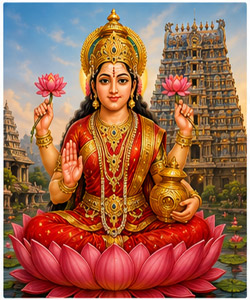
Navamukunda , Lakshmi Temple
Thirunavaya Sree Nava Mukunda Temple
At Thirunavaya Sree Nava Mukunda Temple, Tirunavaya , Tirur, Kerala, devotion is centred on Vishnu or a form of Vishnu. Nava Mukunda Vishnu temple on the Bharathapuzha; Thirunavaya is the historic Mamankam site and a major Karkidaka Vavu ritual centre. That information places the temple in a specific cultural and geographic setting rather than treating it as an interchangeable shrine. Worshippers come for darshan, make offerings, seek blessings and keep family commitments. The temple's story therefore includes its visible precinct as well as the continuing practices that connect the sanctuary with the surrounding community.
The shrine belongs to a wider regional pattern in which worship, place and community reinforce one another. In Kerala, temple visits are often part of a broader journey through nearby sacred sites, markets, rivers or hills. The local congregation gives the temple its everyday continuity, and festival days make that continuity visible through collective preparation, procession, music, food and service. These social practices are not incidental decoration: they are among the ways religious knowledge passes between generations and becomes part of the identity of Tirunavaya , Tirur.
For a visitor, the ritual sequence is part of the temple's meaning. Darshan, offerings and circumambulation take place according to local custom, and the sanctum may have access rules that differ from those at other temples. On a major observance, the space around the shrine can become crowded, with processions or special services taking precedence. Visitors should follow the temple's current instructions and avoid interrupting worship. These simple courtesies make room for devotees to carry out their prayers and help a newcomer experience the site respectfully.
The calendar and practice matter as much as historical description. Vaishnava worship commonly gives prominence to Janmashtami, Vaikunta Ekadashi or a local annual utsavam, according to the temple's tradition. Kirtan, offerings and darshan express devotion to Vishnu or Krishna. In addition to festival days, worshippers visit for personal milestones, thanksgiving and prayers for family wellbeing. A temple may therefore be busiest at several different times: a public festival, an auspicious weekly day, or a quieter weekday when people come for individual darshan. Dates follow the lunar calendar in many Hindu traditions and can vary from year to year; current notices from the temple or local authorities are the reliable guide for planning.
Thirunavaya Sree Nava Mukunda Temple is significant because it keeps a particular devotional tradition rooted in Tirunavaya , Tirur and connects it to the broader religious culture of Kerala. The shrine's local features, its festival calendar and the stories associated with it give worshippers a sense of continuity. For pilgrims, the visit may form one part of a route; for residents, it can be woven into ordinary routines. Both relationships are important. They show how sacred places remain relevant through use, care and community participation rather than through historical age alone.
A thoughtful visit begins by treating Thirunavaya Sree Nava Mukunda Temple as a functioning religious institution. Follow the customary order of worship, respect the sanctum's boundaries, and give space to processions and people making offerings. If the temple has an annual event, check local announcements because timings and access can change with the ritual programme. The most useful details to notice are the deity, the local tradition, the way worshippers use the precinct and the relationship between the temple and its setting. Together they explain why this shrine matters to people in Tirunavaya , Tirur and beyond.