

Shiva Temple
Tali Maha Shiva Kshetram
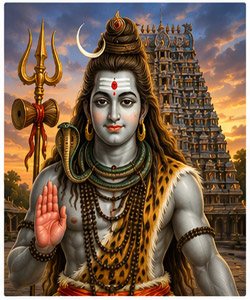
Tali Maha Shiva Kshetram, commonly called Tali Temple, is one of the best-known historic Shiva temples in Kozhikode, Kerala. The shrine is located in the heart of the city and has long been associated with the religious and cultural life of the region. Kerala Tourism dates the temple’s present historical prominence to the fourteenth century and describes it as one of the oldest temples in the state. Shiva is the presiding deity, worshipped in a traditional Kerala temple setting that includes a sacred inner complex and spaces for ritual observances.
The temple’s history is closely linked with the Zamorin rulers of Kozhikode, who supported its worship and prominence. The association helps explain why Tali became more than a neighbourhood shrine: it was a major religious centre in the historic capital of Malabar. The temple’s architecture reflects Kerala’s established wooden and laterite construction traditions, with a layered roofline and enclosed ritual spaces designed around the sanctum. These features are best appreciated as part of a living temple, where architecture serves worship and ritual movement.
Tali is particularly renowned for Revathi Pattathanam, a seven-day cultural and intellectual observance held in the Malayalam month of Thulam, usually around October–November. The event is remembered as a gathering connected with scholarship, debate and patronage under the Zamorin court, and it remains part of the temple’s public identity. This festival gives Tali an unusual role in Kerala’s history: it is at once a centre of Shaiva worship and a place associated with the intellectual life of medieval Kozhikode. The regular annual festival and daily pujas also maintain its active religious character.
For devotees, the central purpose is darshan of Shiva and participation in the temple’s customary offerings. Visitors interested in history can also understand Tali as part of the urban sacred geography of Kozhikode, where royal patronage, temple ritual and regional scholarship intersect. The shrine is especially busy on major Shaiva observances and during Revathi Pattathanam. Visitors should follow local rules on dress, photography and access to the inner areas. The temple’s continuing importance rests on both its centuries-old religious function and its distinctive connection to Kozhikode’s cultural history.
The Revathi Pattathanam has a special place in the temple’s history. It is remembered as a scholarly assembly supported by the Zamorin and associated with learning, debate and Sanskrit scholarship. The contemporary observance retains a week-long cultural and intellectual character in addition to the regular temple festival. Its connection with the temple illustrates how religious institutions in historic Kozhikode also served as centres of education and public culture. The Tali precinct should therefore be understood through both ritual and history: devotees come to worship Shiva, while the festival remembers a tradition of intellectual patronage that helped shape the city’s cultural reputation.