

Dattatreya Temple
Sri Vallabhapuram Dattatreya Temple Pasupula
Sri Vallabhapuram Dattatreya Temple, also known as Sri Kshetra Vallabhapuram or the Sri Datta Peetham, is a pilgrimage centre at Pasupula in Telangana’s Narayanpet district. The complex stands beside the Krishna River and is associated with the worship of Lord Dattatreya, revered in the Datta tradition as a divine teacher who brings together the aspects of Brahma, Vishnu and Shiva. The district administration identifies this locality as a place connected with the Datta tradition for about seven centuries and says that the present name Sri Kshetra Vallabhapuram was given by Sri Vittalananda Saraswati Maharaj, who established a new Datta temple here. The temple trust gives a more recent building history: construction of the Sri Datta Mandiram began on 31 January 1999 under the guidance of Sri Vittalananda Saraswati, also called Vittal Babaji. These accounts describe layers of sacred memory and modern institution-building, so visitors will encounter both a long-standing regional pilgrimage story and a present-day temple complex.
The river setting is central to the identity of the place. The Krishna is not simply a geographic marker in the temple’s location; within the community’s devotional account, the riverbank is part of the sacred landscape associated with Sripada Sri Vallabha. The Mahabubnagar district account recounts that Sripada Sri Vallabha travelled to several pilgrimage places, later staying at Kuruvapuram in the Krishna River region. It describes him crossing to the northern bank, where devotees point to impressions identified as his feet and hands. The trust’s account likewise connects the site with Sripada Sri Vallabha and the memory of devotional service, including the tradition of providing food to pilgrims. These are religious traditions preserved by the temple and district sources; they should be read as accounts of faith rather than as claims that can be independently dated in every detail.
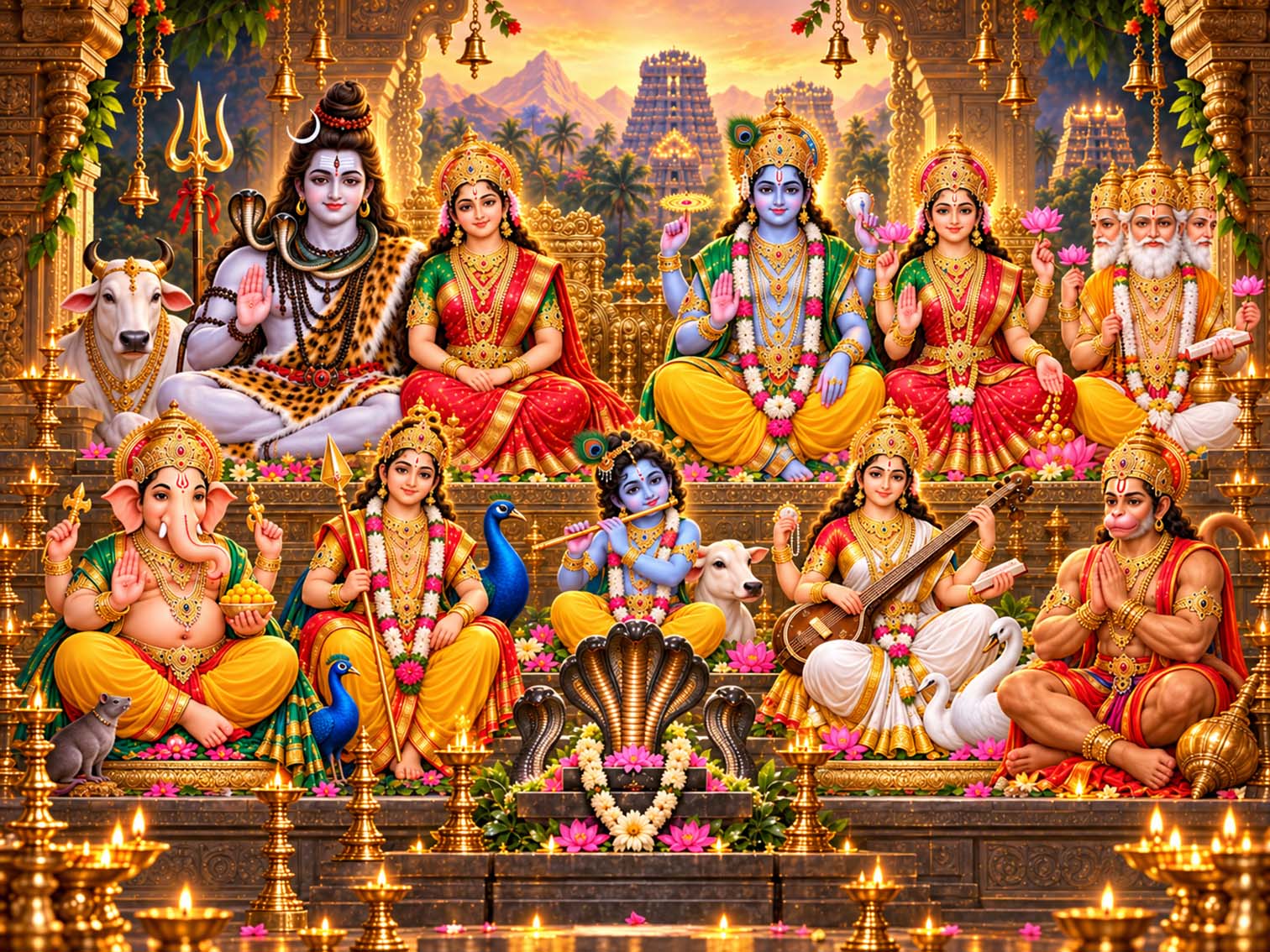
The temple precinct is a multi-shrine complex rather than a single sanctum alone. According to the trust, it includes shrines or mandirams dedicated to Kala Bhairava, Trishula, Anagha Mata, Dattatreya, Shiva, Rama, Sai Baba, Renuka Mata, Vittal Babaji’s samadhi, and Panduranga. This range reflects the broad devotional character of the centre and helps explain why visitors may come for more than one form of worship. The trust states that the large complex was completed in one hundred days, a detail that belongs to its institutional history. The central devotional focus remains Dattatreya and the guru lineage associated with the place. For pilgrims who follow the Datta tradition, the site connects local worship with a wider network of sacred places, teachers, stories and practices spread across the Deccan and western India.
The district administration reports that pilgrims come from Telangana, Karnataka, Maharashtra, Goa and other parts of India, and specifically notes visits by devotees associated with the Datta tradition and with Shirdi. The riverbank location also places Vallabhapuram within a wider landscape of Krishna River pilgrimage. The nearby region includes other sacred destinations and river confluences, and local travel plans may combine temple visits with those places. Because the Krishna forms a state boundary in parts of this area and river conditions vary by season, visitors should confirm the current road route and any river-crossing arrangements locally before travelling. The sources consulted do not provide a dependable current timetable, contact number, or daily opening hours, so those details should be confirmed with the temple administration rather than assumed.
For a first visit, it is useful to allow time for the whole precinct, not just a brief darshan at the principal shrine. Visitors can observe how the several shrines relate to the central Dattatreya worship, and can ask locally about current puja schedules, festival dates and any arrangements for prasadam or annadanam. The temple trust describes annadanam as an important part of the site’s devotional service and says the tradition continued under Vittal Babaji. A respectful visit means following posted instructions, dressing appropriately for a religious setting, and asking before photographing worshippers or ritual activity. The temple’s own sources present the site as a living centre of worship and service. That combination of river geography, Datta devotion, a remembered guru lineage and a multi-shrine campus is what distinguishes Sri Vallabhapuram within Telangana’s pilgrimage landscape.