

Eranna Swamy Temple
Sri Urukunda Eranna Swamy Temple
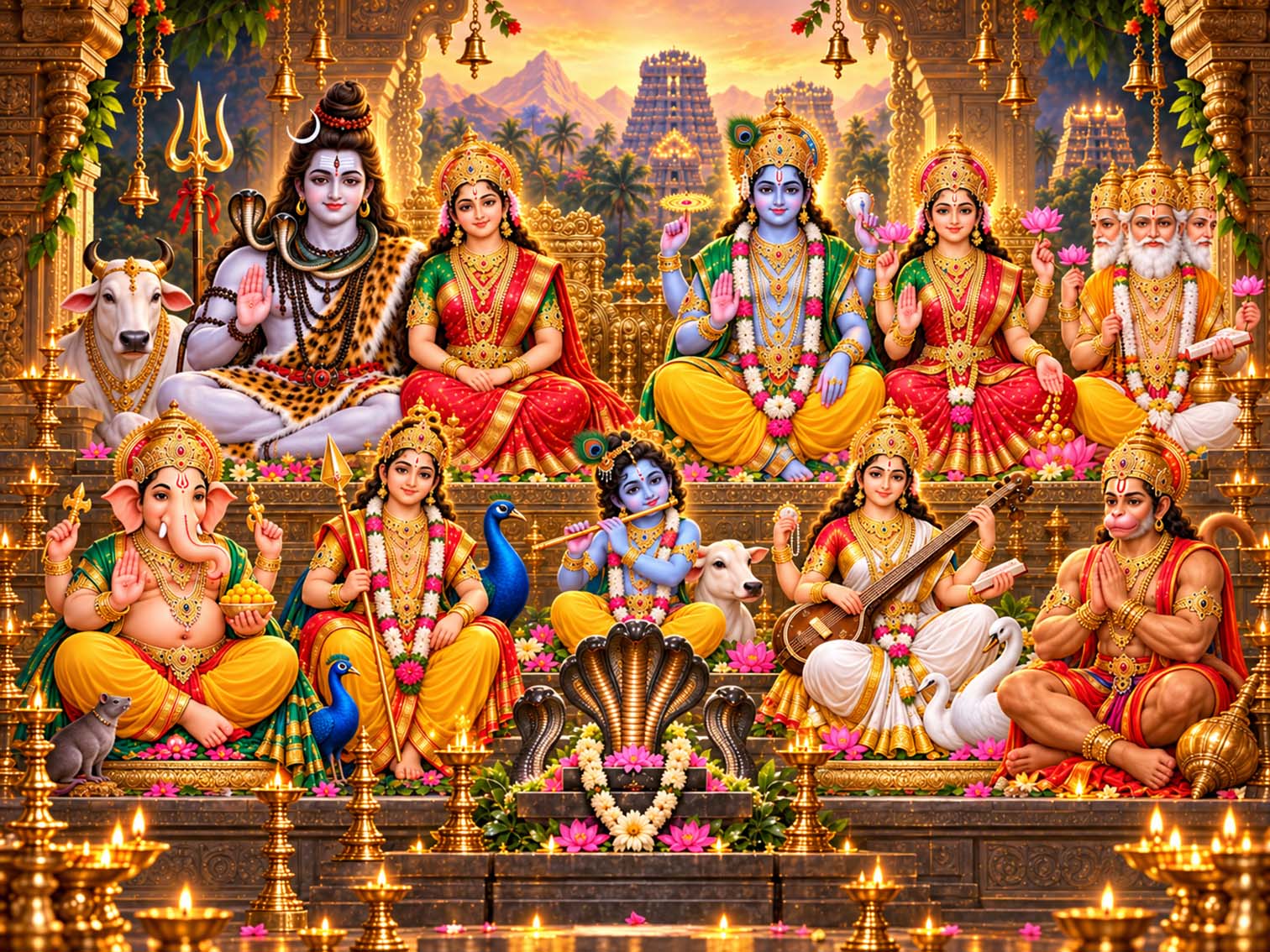
Sri Lakshmi Narasimha Swamy Temple, also known locally as the Urukunda Eranna Swamy Temple, is in Urukunda village in the Kowthalam mandal of Andhra Pradesh’s Kurnool district. The district administration describes it as an established place of worship and identifies the shrine as a sacred complex centred on a holy Peepal tree. Beneath the tree are images of Veerabhadra Swamy and Lakshmi Narasimha. The temple’s identity brings together Vaishnava and Shaiva traditions: the district tourism page notes that devotees may refer to the deity as Lakshmi Narasimha Swamy or as Veeranna Swamy according to the devotional tradition through which they approach the shrine. The temple’s own local name, Eranna, also keeps the memory of the saint associated with its sacred story.
The district’s account preserves a legend about a sage named Hiranya, also known as Eranna or Veeranna. It says he performed penance beneath a Peepal tree in Urukunda for many years. Cows grazing nearby would gather around him, and villagers are said to have brought him food and fruit and sought his blessings. In the story, the sage was known for caring for the villagers and for healing their illnesses through divine power. One day the villagers could no longer find him at his usual place beneath the tree; instead, they saw an image of Lakshmi Narasimha. They understood the appearance as Veeranna’s transformation into Narasimha and installed the image for worship. This is the temple’s sacred origin tradition as recorded by the district administration, not a dated historical account.
The Peepal tree remains central to how the shrine is understood. The official tourism description identifies it as the sanctum’s focal setting, with the images of Veerabhadra and Lakshmi Narasimha worshipped beneath it according to Veera Saiva tradition. A Ministry of Tourism Utsav listing likewise describes devotees worshipping the sacred tree from all four sides of the temple, including when the temple is closed. The tree therefore functions both as a living natural feature and as a focus of devotion. The same Utsav listing mentions a pillared mandapam built in recent years and an outer area where images of Ganesh and the Naga deities are found beneath another tree. These features show that worship at Urukunda is associated with a wider sacred landscape within the village temple precinct.
The annual Sravana observances draw particular attention. The Ministry of Tourism’s event information describes special worship during the month of Sravana, including daily abhishekams and special pujas. It identifies Maha Shivaratri and the third Monday of Sravana as especially auspicious occasions, when large numbers of devotees gather. The district tourism page also presents the shrine as a notable destination in Kurnool district. The festival connects formal temple ritual with community participation: devotees travel to worship, fulfil vows and take part in the seasonal observances. Festival dates follow the Hindu lunar calendar, and the scale and arrangements may change each year, so visitors should verify the current programme with the temple or Endowments Department before making travel plans.
For visitors, Urukunda is best understood as a living village shrine rather than only a historic building. Its distinctive character comes from the sacred Peepal tree, the paired presence of Lakshmi Narasimha and Veerabhadra, and the shared devotion expressed through the names Eranna and Veeranna. The origin story connects the temple with a compassionate ascetic, village life and the animals that gathered around him. The Sravana festival and daily worship keep that connection active for devotees from the surrounding region. Visitors should follow the directions of temple staff and respect worshippers’ customs, particularly around the tree and sanctum. Current opening hours, service charges and transport details should be confirmed locally because the district’s heritage description does not publish a complete visitor timetable. The temple remains an important devotional destination in Kowthalam mandal and a clear example of the region’s intertwined Hari-Hara traditions.