

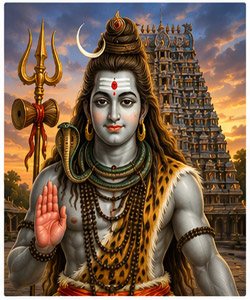
Shiva and Kamakshi Temple
Sri Mallikarjuna Swamy Kamakshi Tayee Temple
Sri Mallikarjuna Swamy Kamakshi Tayee Temple is located at Jonnawada in Andhra Pradesh's Nellore district. The shrine is dedicated to Lord Mallikarjuna, a form of Shiva, and Goddess Kamakshi Tayee. It is recognized among the region's important religious destinations and is associated with pilgrimage along the Penna River. The pairing of Shiva and the Goddess gives the site a Shaiva and Shakta identity, drawing devotees who come for darshan, prayer and participation in annual observances.
Jonnawada's sacred importance is linked to the worship of Kamakshi Tayee and the local history of the temple. Accounts of the site place the shrine within the religious landscape of the Nellore region, where riverbanks, temples and pilgrimage routes have long been connected. The name Mallikarjuna is shared by many Shiva shrines across India, but Jonnawada's particular identity comes from the presence of Kamakshi Tayee and the temple's local festivals. Visitors should distinguish the shrine's traditional stories from verified historical records: legends are meaningful to devotees but do not by themselves establish a precise construction date.
The temple's annual Brahmotsavam is the principal festival period. The celebration includes religious ceremonies and attracts pilgrims from nearby towns and villages. Festival dates follow the Hindu calendar and can shift each year. Crowd levels and entry procedures may differ during the celebration, so visitors should check current information with the temple administration before travelling. The temple is an active institution; worshippers also visit for regular darshan and personal prayer. Specific puja availability, ticketing and timings should be confirmed directly rather than assumed from third-party listings that may be out of date.
The Jonnawada temple is part of a wider pilgrimage experience in the Nellore area. Visitors may include it in a journey to other sacred places, but should plan travel around the location and seasonal road conditions. Current district information and maps are useful for reaching the village, while local confirmation is best for last-mile transport and temple opening arrangements. If visiting during a festival, allow additional time for traffic, queues and security instructions. The temple precinct is a place of worship, so visitors should be mindful of the daily activities of devotees and priests.
Modest dress and respectful conduct are appropriate. Follow queue instructions, avoid interrupting rituals and ask before taking photographs inside worship areas. The available public information does not offer a complete guide to accessibility, facilities or every service, so visitors with specific needs should contact the temple before arrival. Sri Mallikarjuna Swamy Kamakshi Tayee Temple is significant for its combined worship of Shiva and Kamakshi, its place in Nellore's sacred geography and its annual Brahmotsavam. Its continued devotional life is sustained by local communities and by pilgrims who come to honour the deities through darshan and prayer. Pilgrims may also ask locally about festival details and the most appropriate sequence for visiting related shrines. This helps keep the account of the place grounded in current temple practice. The temple's continued significance is sustained by worshippers who return for darshan and by the local community that organizes the annual celebration.