

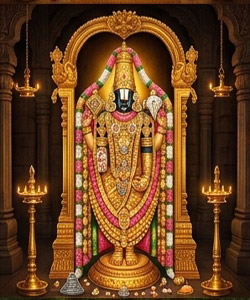
Lord Baladeva Temple
Sri Baladevjew Temple
Sri Baladevjew Temple is a major Vaishnava shrine at Ichhapur in Kendrapara district, Odisha. Kendrapara is widely known as Tulasi Kshetra, a name associated with the temple and the worship of Baladevjew, a form of Balarama. The temple is an important pilgrimage destination in the district and is central to the religious identity of Kendrapara. Devotees visit to worship Baladevjew and the associated deities, while annual festivals bring large gatherings to the temple precinct.
The present temple is generally dated to the eighteenth century and is associated with the region’s Maratha-era history. Regional accounts record its construction in 1761, after a period of political change in Odisha. The temple’s sacred story also links the site to Kandarasura and to Tulasi, whose name is reflected in the title Tulasi Kshetra. These narratives belong to local religious memory and help explain the temple’s name and devotional geography; they should be distinguished from the documented history of the present structure.
The temple complex is built in the Odishan style, with the main sanctuary and ritual spaces arranged to support worship and processions. Baladevjew is worshipped alongside Jagannath and Subhadra, creating a triad familiar from the wider Jagannath tradition while retaining the distinct centrality of Balarama at this shrine. The temple’s rituals include daily offerings and festival observances throughout the year. Rath Yatra is a major occasion, when the deities are taken out in ceremonial procession and devotees gather to participate in the public worship. The festival connects Kendrapara to Odisha’s broader chariot traditions while preserving the local identity of Tulasi Kshetra.
Visitors should check the annual calendar before planning a trip, particularly during Rath Yatra and other large festivals, when crowds and road arrangements can affect access. The temple is an active place of worship, so modest dress and respect for ritual spaces are expected. Photography and access to inner areas follow local rules. Outside festival time, daily puja continues, and pilgrims visit for darshan and offerings.
Sri Baladevjew Temple is significant as the leading shrine of Kendrapara, as the centre of the Tulasi Kshetra tradition and as a major Vaishnava pilgrimage site in Odisha. Its history combines local sacred narratives, eighteenth-century patronage, worship of the Baladevjew triad and public festivals. The temple’s enduring role in district life makes it an important place to understand how regional identity and Jagannath-related devotion meet in eastern Odisha. It also anchors religious gatherings and seasonal customs for communities across the surrounding district.