

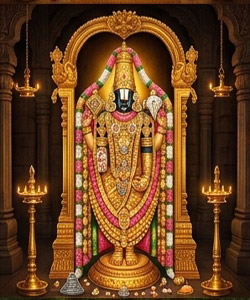
Vishnu Temple
Sree Padmanabhaswamy Temple
The temple of Sree Padmanabhaswamy Temple stands in Thiruvananthapuram, Kerala, where it serves as a continuing centre of worship. Padmanabhaswamy is Kerala's major Vishnu temple, with the deity reclining on Ananta, a Kerala-Dravidian complex and Travancore royal ties. The shrine's identity is shaped by Vishnu or a form of Vishnu, the distinctive local account of the site and the rhythm of religious life around it. Pilgrims and residents may arrive with different purposes—vows, festival visits, family prayers or interest in local heritage—but the sanctuary remains first a sacred place governed by its own customs.
A temple's significance is also expressed in how it is used. Daily puja offers a stable rhythm, while annual events bring back families and visitors who may live far from Thiruvananthapuram. Such return visits connect personal acts of devotion with the history of a neighbourhood and the larger religious landscape of Kerala. Community participation—supporting festival arrangements, preparing offerings and observing customary routes—helps preserve a living institution. The shrine's importance therefore includes social memory and collective practice as well as the deity and building.
Local stories should be read in their proper register. Sacred accounts explain the relationship between the deity and the place and are part of how worshippers understand the shrine. They are valuable evidence of living belief, but they do not automatically establish a construction date or a documented historical event. Where inscriptions, administrative records or archaeological study provide firmer dates, those can be distinguished from oral and devotional tradition. This careful distinction protects both the temple's religious meaning and the accuracy of its public history.
The calendar and practice matter as much as historical description. Vaishnava worship commonly gives prominence to Janmashtami, Vaikunta Ekadashi or a local annual utsavam, according to the temple's tradition. Kirtan, offerings and darshan express devotion to Vishnu or Krishna. In addition to festival days, worshippers visit for personal milestones, thanksgiving and prayers for family wellbeing. A temple may therefore be busiest at several different times: a public festival, an auspicious weekly day, or a quieter weekday when people come for individual darshan. Dates follow the lunar calendar in many Hindu traditions and can vary from year to year; current notices from the temple or local authorities are the reliable guide for planning.
Sree Padmanabhaswamy Temple is significant because it keeps a particular devotional tradition rooted in Thiruvananthapuram and connects it to the broader religious culture of Kerala. The shrine's local features, its festival calendar and the stories associated with it give worshippers a sense of continuity. For pilgrims, the visit may form one part of a route; for residents, it can be woven into ordinary routines. Both relationships are important. They show how sacred places remain relevant through use, care and community participation rather than through historical age alone.
A thoughtful visit begins by treating Sree Padmanabhaswamy Temple as a functioning religious institution. Follow the customary order of worship, respect the sanctum's boundaries, and give space to processions and people making offerings. If the temple has an annual event, check local announcements because timings and access can change with the ritual programme. The most useful details to notice are the deity, the local tradition, the way worshippers use the precinct and the relationship between the temple and its setting. Together they explain why this shrine matters to people in Thiruvananthapuram and beyond.