

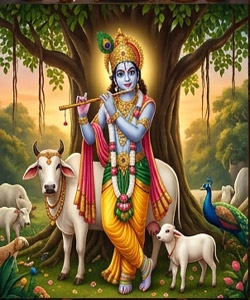
Vitthal and Rukmini Temple
Shri Vitthal Rukmini Temple Pandharpur
Shri Vitthal Rukmini Temple is the principal pilgrimage shrine of Pandharpur, a town on the Chandrabhaga River in Maharashtra. The Maharashtra Directorate of Tourism describes the town as a spiritual center for devotees of Lord Vithoba, a form of Krishna, and identifies the Vitthal-Rukmini Mandir as the focus of its religious and cultural life. Worship at Pandharpur is closely associated with the Warkari bhakti tradition, whose saints and pilgrims have shaped devotional life across Maharashtra and adjoining regions. The temple is not an isolated monument: it belongs to a pilgrimage landscape that includes the river ghats, routes of the Wari and the town’s other shrines and mathas.
The temple’s sacred story centers on Pundalik, remembered for his deep devotion and service to his parents. In the account presented by Maharashtra Tourism, Krishna came to see Pundalik, who was attending to his parents and offered the deity a brick to stand on while he completed his service. Krishna remained standing on the brick, with his hands on his hips, in the form worshipped as Vithoba. This is a devotional legend rather than a historical record of the building’s construction, but it expresses a central value of the tradition: service to family is treated as an act of devotion. The tourism department dates the temple’s origins to the twelfth century and describes later renovations and a blend of Deccan and Maharashtrian architectural influences.
The temple complex includes the main shrine of Vithoba and a shrine for Rukmini, also known as Rakhumai, along with smaller shrines to other deities. The Maharashtra tourism account describes the Mahadwar, or Namdev Gate, as a main entrance and notes the samadhis of saints Namdev and Chokhamela near the approach. These features connect the temple’s physical layout with Maharashtra’s bhakti history. The black-stone Vithoba image is a focal point of darshan, and the daily ritual sequence is described as including Kakada Aarti, abhishekam, other pujas, evening Dhoop Aarti and Shejarati. Ritual schedules can change, so pilgrims should consult current temple notices or the temple administration before planning a particular seva.
Pandharpur is especially crowded during the Ashadhi and Kartiki pilgrimage seasons. The Wari brings Warkari groups on foot from different parts of Maharashtra, accompanied by devotional singing, abhangas and palkhis associated with Sant Dnyaneshwar and Sant Tukaram. Ashadhi Ekadashi and Kartiki Ekadashi are major observances, with the city’s roads, accommodation and darshan arrangements affected by the scale of attendance. Visitors seeking a quieter experience may choose another time of year, while those attending the Wari should plan well ahead and follow public safety instructions. Crowd management, traffic controls and ritual access may differ each year.
The Chandrabhaga River and its ghats are closely connected with the pilgrimage, and devotees may take a ritual bath before proceeding to worship. River conditions, access and bathing safety should be checked on the day. Pandharpur can be reached by rail and road, and the state tourism department lists Pandharpur railway station and regional bus connections among the options; verify current schedules before travel. Visitors should dress respectfully, be patient in queues, and seek permission before photographing worshippers. The temple’s significance rests on Vithoba and Rukmini worship, the Pundalik story, the Warkari saint tradition and the recurring Wari that brings pilgrims together in Pandharpur.