

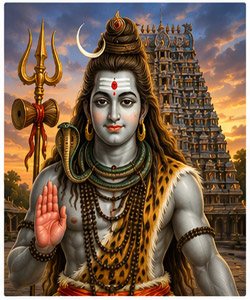
Shiva Temple
Shri Jagannatha Temple Thalassery
Shri Jagannatha Temple in Thalassery, Kannur district, Kerala, is a landmark of both religious devotion and social reform. Dedicated to Jagannatha, a form of Vishnu worshipped across India, the temple is especially associated with Sree Narayana Guru, the philosopher and reformer who consecrated it in 1908. The shrine was established in a period when access to temples and public worship was shaped by caste restrictions. Its founding became part of a broader movement for dignity, education and religious equality in Kerala.
Kerala Tourism and the Thalassery Municipality identify the consecration by Sree Narayana Guru in 1908 and describe the temple as a landmark in the history of social reformation. The temple was conceived as a place open to people across caste divisions, challenging the exclusion that governed many religious institutions of the time. Its history therefore extends beyond the ritual life of a single community: it forms part of Kerala’s modern social history and the work of Guru and his followers to transform public religious life.
The temple continues as an active centre of worship, with Jagannatha as the principal deity and regular puja conducted according to local custom. Devotees visit for darshan, offerings and observances throughout the year. Annual festivals and occasions connected with Vishnu and Jagannatha worship bring larger gatherings. Exact festival dates and programmes follow the temple calendar and should be checked through current temple announcements. The temple’s open and reformist legacy remains an important part of how it is understood by worshippers and visitors.
The shrine is located about a kilometre from Thalassery town and is accessible by local roads. Visitors are welcome to explore its history and participate in worship within the rules of the temple. Respectful dress, appropriate conduct and care around the sanctum are expected; visitors should follow directions regarding footwear, offerings and photography. Festival days can be crowded, but the temple is also meaningful on ordinary days when its role in the community is visible through regular worship.
Shri Jagannatha Temple is significant as a living Vishnu shrine, as a major work associated with Sree Narayana Guru and as a landmark in Kerala’s movement toward social equality. Its establishment in 1908 gave practical form to a reformist vision of more inclusive religious life. The temple remains an important destination for devotees and for anyone seeking to understand the close relationship between faith and social change in modern Kerala. Its history remains relevant to Thalassery’s civic memory today.