

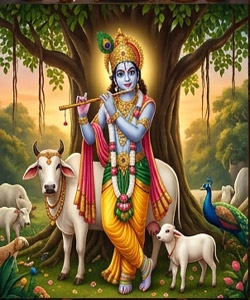
Krishna (Govind Dev) Temple
Shri Govind Dev Ji Temple
Shri Govind Dev Ji Temple in Vrindavan is one of the most historically important Krishna temples in Braj. The temple is dedicated to Govind Dev, a form of Krishna worshipped as the beloved lord of Vrindavan, and is part of the seven principal Goswami temples associated with the early Gaudiya Vaishnava tradition. Raja Man Singh of Amber commissioned the great red-sandstone temple in the late sixteenth century, with construction traditionally dated to about 1590. Its patronage reflects the alliance between Rajput rulers and the devotional leaders who established Krishna worship in Vrindavan during the period. The original building was exceptionally ambitious. It rose in multiple storeys and combined a large central sanctuary with broad halls and a monumental plan, drawing on North Indian temple forms while using a scale and material associated with imperial architecture. Much of the upper structure was damaged in the seventeenth century, but the surviving lower levels still convey the original monument’s size and the quality of its stonework. The temple is therefore both a place of worship and an important architectural record of the early modern period. Govind Dev’s image has a history of movement. During a period of political upheaval, the deity was taken away from Vrindavan for protection and eventually became associated with the royal temple at Jaipur. Worship at the Vrindavan shrine continues through the tradition maintained there, while the deity’s relocation is an important part of the temple’s story. The complex remains deeply connected with the sacred geography of Braj, where Krishna’s life and līlā are remembered through temples, groves, ponds and pilgrimage routes. Devotees come for darshan, kirtan and festival worship, especially during Janmashtami and the season of Holi. The temple’s historic masonry and the continuing religious life should be considered together: the building’s damaged state does not erase its importance, and its fame is not based only on architecture. It preserves a connection between royal patronage, the Goswami tradition and the growth of Vrindavan as a major Vaishnava centre. The temple is best understood alongside the other early shrines that shaped the town, but its unusual scale and surviving red sandstone structure distinguish it from those smaller sanctums. For worshippers, Govind Dev is the living focus of darshan and devotional singing; for students of architecture, the remaining levels reveal how a temple could combine sanctuary, congregation space and courtly patronage. The building’s partial survival also tells a history of adaptation: the site continues to be revered even though the original monumental form no longer stands complete. Visitors often combine it with nearby Banke Bihari, Radha Raman and other old shrines, but Govind Dev has a distinct identity rooted in its red sandstone monument and its place in the early history of organized Krishna devotion in Braj.