

Krishna Temple
Shri Gopala Krishna Temple
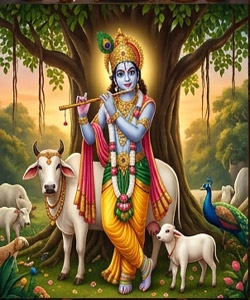
Kanipura Sri Gopalakrishna Temple is a historic Krishna shrine in Kumbla, Kasaragod district, Kerala. The presiding deity is Gopalakrishna, worshipped in the form of the divine child Krishna. The temple is one of the most important Vaishnava shrines in the northern part of Kerala and has long been connected with the history of the Kumbla region. Devotees visit for darshan, offerings and festivals, and the shrine remains an active centre of worship.
The temple’s traditional history associates its establishment with the sage Kanva, whose name is reflected in the form Kanipura. The local sthala purana tells that the deity is an image of Balagopalakrishna once worshipped by Yashoda. Historical accounts connect the temple’s patronage with the Kadamba rulers, whose capital was at Kumbla; a tenth-century renovation is often attributed to King Jayasimha. These traditions and historical references should be distinguished: the sage story is sacred narrative, while the royal association reflects the region’s political history and temple patronage.
The temple is known for the annual Kumbla Bedi festival, a multi-day celebration that brings devotees and visitors to the shrine. Kerala Tourism documents the temple’s connection with Kumbla’s festival traditions, which include processions and ritual observances. The festival follows the Malayalam calendar, so dates shift from year to year. Daily worship continues throughout the year, and the temple’s routine offerings and puja remain central to the life of local worshippers.
The shrine is built in the traditional Kerala style, with the sanctum and surrounding precinct arranged for ritual movement and darshan. The temple’s historic role in Kumbla makes it a useful point of reference for understanding Kasaragod’s cultural landscape, where Kannada, Tulu and Malayalam influences meet. Visitors should be attentive to local temple customs and any restrictions on dress, photography or inner access. Festival periods can be busy, so it is useful to check local information before travelling.
Kanipura Sri Gopalakrishna Temple is significant as an active Krishna shrine, a centre of the Kumbla Bedi festival and a monument connected with the historic Kadamba-era culture of the region. Its combination of sacred legend, royal patronage and continuing ritual gives it an important place in northern Kerala’s religious heritage. Visitors can approach the temple as both a pilgrimage site and a way to learn about Kumbla’s distinctive cultural history. Worship at the shrine also reflects the northern Malabar region’s long-standing links with neighbouring Karnataka and its varied languages and customs, visible in local music and festival practice.