

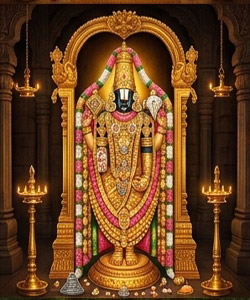
Vishnu (Sharngdhar Balaji) Temple
Sharngdhar Balaji Temple Mehkar
Sharngdhar Balaji Temple Mehkar is an active Hindu place of worship in Mehkar, Maharashtra. Sharngdhar Balaji Temple in Mehkar is dedicated to Vishnu as Sharngdhar, the bearer of the Sharnga bow; Mehkar’s religious heritage gives the town a regional role beyond its market-centre function. This documented feature—an image, sacred story, historic structure or festival—gives this shrine its particular identity. It is best understood together with the worship conducted here and the community that has maintained the place over time.
The temple’s past may be preserved in records and oral tradition, which provide different kinds of evidence. The detail above is tied specifically to Sharngdhar Balaji Temple Mehkar; devotees’ accounts explain its sacred meaning and should be presented as tradition. Documented dates or patrons can be distinguished from legend, giving the history proper context without overstating what is known.
Vishnu is worshipped as the preserver and sustainer, and the specific form named at this shrine gives that broad tradition a local focus.. Vaishnava worship places particular importance on darshan, praise and service to the deity; images, ornaments and festival processions make the divine presence visible to devotees.. The title used for the deity—whether Krishna, Venkateswara, Narayana or another form—carries its own devotional associations. At Sharngdhar Balaji Temple Mehkar, the image, sanctum or memorial gives this tradition a local focus. Prayer and offerings express the relationship between worshipper and deity, while the shrine’s own ritual sequence shapes darshan. Practices vary between temples, so local custom is the guide.
The setting shapes the experience of worship. The approach to the sanctum and any mandapa, tower, cave, tank, hill or river edge influence how people use the precinct. In Mehkar, Sharngdhar Balaji Temple Mehkar belongs to a lived landscape and community. Historic fabric, where present, also preserves evidence of regional craft and patronage.
Brahmotsavam, Vaikunta Ekadashi, Janmashtami or other observances may be important in Vaishnava practice, but only festivals documented for this shrine should be treated as local events.. The temple’s worshippers sustain it through regular visits as well as major gatherings.. Pilgrims arrive for the named deity and the place’s distinctive history, while residents may incorporate darshan into ordinary routines. Observances, opening arrangements and sanctum access follow Sharngdhar Balaji Temple Mehkar’s own tradition. Visitors should follow local instructions, make room for worshippers and check current notices for festival dates.
Local families maintain the rites, care for the precinct and pass its stories onward. Residents may come for ordinary prayer; pilgrims arrive for the deity, history or annual observance. This shared use gives Sharngdhar Balaji Temple Mehkar a lasting devotional presence in Mehkar, sustained through worship and community memory.