

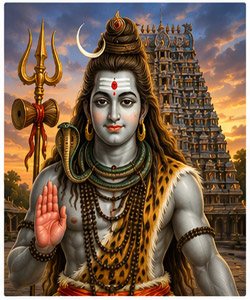
Shiva Temple
Raja Rajeshwara Swamy Temple Banda Rameshwarpalle
Sri Raja Rajeshwara Swamy Temple stands in Banda Rameshwarpalle village in the Machareddy mandal of Telangana’s Kamareddy district. The district administration identifies this shrine by several closely related names: Sri Raja Rajeshwara Swamy Temple, Sri Mallikarjuna Swamy Temple and Banda Rameshwara Swamy Temple. It describes the principal deity as a self-manifested form of Shiva and places the temple among the district’s religious and historic sites. The temple is especially known for the large rock from which its structure and pillars are carved, giving the shrine a strong connection to the local landscape and to the skilled stonework of its builders.
According to the district’s account, the temple was constructed during the Kakatiya period on the orders of King Rajeshwara, who was a devotee of Lord Shiva. The account describes the pillars and temple fabric as carved from a large rock. The sacred name Raja Rajeshwara therefore connects the shrine’s local identity with Shiva worship and with the royal patronage remembered in its history. The deity is also called Mallikarjuna, a name familiar in Shaiva devotion across the Deccan. These names belong to the temple’s living religious tradition and help explain why visitors may encounter more than one form of the shrine’s name in local references.
The temple’s construction in and from a large rock gives it a distinctive architectural character. Stone pillars are not only structural supports; in temple architecture they shape the interior gathering space and establish a route toward the sanctum. At Banda Rameshwarpalle, the district administration emphasizes this rock-cut character as a defining feature. The setting also ties the temple to village geography: the shrine is located within Banda Rameshwarpalle, where its religious life is part of the social calendar of the surrounding communities. Visitors should treat the structure as an active place of worship and follow local directions in the temple precinct.
Maha Shivaratri is the most prominent annual observance mentioned by the district administration. Devotees gather in large numbers during Shivaratri and on other auspicious occasions. The festival places the temple within the wider Shaiva calendar, when worshippers honour Shiva through prayer, darshan and other customary observances. The district page does not provide a detailed daily seva timetable or a current festival programme, and arrangements can change from year to year. Anyone planning a visit for a festival should confirm the dates, opening schedule and available services locally or through the district administration.
The government page gives practical location context for pilgrims: the temple is about 13 kilometres from Machareddy and around 19 kilometres from Kamareddy, with road access from the surrounding region. Travel details can vary with local road conditions, so visitors should check a current map before departure. The shrine’s religious importance comes from the worship of Shiva as Raja Rajeshwara or Mallikarjuna, its rock-carved construction and its annual Shivaratri gathering. It is not simply a historic structure to view from outside; its significance is sustained by devotees who come to pray and participate in festival observances. Visitors should dress respectfully, maintain a quiet manner near worship areas and ask temple staff before photographing rituals or people. Sri Raja Rajeshwara Swamy Temple remains a distinctive pilgrimage place in Kamareddy district, joining local Shaiva devotion with the architectural memory of the Kakatiya period.