

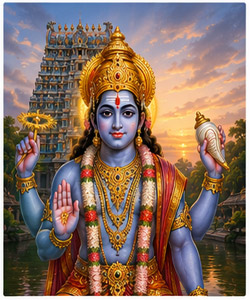
Parashurama Temple
Parshuram Temple Chiplun
Parashuram Temple at Pedhe, near Chiplun in Ratnagiri district, Maharashtra, is dedicated to Parashuram, regarded in Hindu tradition as the sixth incarnation of Lord Vishnu. The Ratnagiri District Council’s Chiplun information page identifies it as Shri Kshetra Parshuram, while the Maharashtra Directorate of Tourism describes it as an important regional religious site. The shrine is set in the Konkan landscape, where coastal hills, villages and older pilgrimage routes shape the experience of visiting. Parashuram is especially associated with the Konkan in local religious memory, and the temple provides a focal point for worshippers who honour him as both a form of Vishnu and a figure in sacred narratives about the region.
The Maharashtra Tourism Department describes the temple as approximately three hundred years old and notes an architectural blend of Hindu and Muslim influences. It records three principal idols and identifies Akshaya Tritiya, Ram Navami and Maha Shivaratri among the festivals celebrated at the site. These details make the temple distinctive within Ratnagiri’s religious landscape: it combines a Vaishnava dedication with a regional style shaped by the cultural history of the Konkan. Visitors interested in architecture should pay attention to the overall complex and its details, but the temple remains an active place of worship rather than a museum. Architectural claims and descriptions of the site’s history should be understood in light of the official tourism summary, which offers an overview rather than a full archaeological report.
Parashuram is a figure whose stories appear in several Hindu texts and regional traditions. In Maharashtra, the temple and surrounding sacred area are linked with accounts of the sage-warrior’s presence in the Konkan. These narratives are important to devotees and to local identity, but they are sacred traditions rather than modern historical records. Worshippers may describe the region as Parashuram’s land, and visitors should listen respectfully without presenting a theological belief as a verified geographic event. The temple’s name, annual festivals and setting in the Chiplun area keep those narratives alive in local devotional practice.
The Chiplun area is connected by road to the broader Ratnagiri district. Maharashtra Tourism describes Ratnagiri as a region with a long history, shaped by Hindu and Buddhist dynasties, maritime connections and later changes in political control. Such context helps visitors understand that the temple exists within a culturally layered landscape rather than in isolation. Ratnagiri’s tourism information recommends the cooler months for outdoor travel and notes heavy monsoon rain between June and September. Weather, road access and local services should be checked before travelling, particularly during the rainy season. The temple authority or district sources should be consulted for current opening hours, seva details and festival arrangements, as those can change.
Visitors should approach the shrine with the same care as any active place of worship: dress modestly, follow directions at the entrance and avoid interrupting puja. Photography may be restricted in the sanctum, so ask before taking pictures. During Akshaya Tritiya, Ram Navami or Maha Shivaratri, allow extra time for crowds and local traffic. Parashuram Temple is significant because it brings together worship of Vishnu’s Parashuram form, Konkan regional traditions, a distinctive architectural blend and annual festivals that continue to draw devotees. A thoughtful visit makes room for both the site’s religious meaning and the broader history of the Ratnagiri coast.