

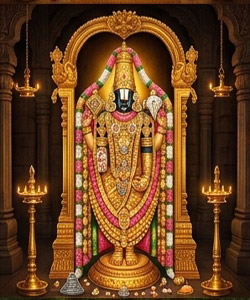
Varaha Temple
Panniyoor Varaha Moorthy Temple
Panniyoor Varaha Moorthy Temple is an ancient Vishnu shrine at Kumbidi in Palakkad district, Kerala. It is dedicated to Varaha, the boar incarnation of Vishnu, who rescued the Earth from the cosmic waters in Hindu tradition. The temple is regarded as one of the rare Varaha temples in central Kerala and has a distinctive place in the region’s Vaishnava pilgrimage landscape.
The Varaha legend is among the major stories associated with Vishnu. When the Earth was submerged by the asura Hiranyaksha, Vishnu assumed the form of a boar, descended into the waters and raised the Earth with his tusks. The deity at Panniyoor is worshipped as the protector who restores balance and supports the world. The temple’s history is also linked to the rise of Brahmin settlements and the consolidation of ritual traditions in the region. Local accounts describe the shrine as one of the earliest Vishnu temples in Kerala, although exact dates are not uniformly established.
The temple complex includes the main sanctum and subsidiary shrines, with worship carried out according to Kerala’s traditional temple rituals. Devotees come for darshan and offerings, particularly on Vaishnava festival days and during the annual temple festival. The shrine’s rural setting contributes to a quieter pilgrimage atmosphere than the larger urban temples of the state. Local worshippers and pilgrims from Palakkad and Malappuram maintain the temple’s observances throughout the year.
Panniyoor is especially meaningful for devotees who wish to worship Vishnu in his Varaha form. Visitors should allow time for the temple’s customary sequence of darshan and follow local rules on dress, footwear and photography. The sanctuary is an active place of worship, and access to inner areas may be restricted according to tradition. The temple’s significance comes from its rare presiding deity, its long-standing place in central Kerala’s Vaishnava practice and the continuing community that sustains its daily puja.
Panniyoor is also associated with an old Brahmin settlement and with traditions that connect the temple to the establishment of Vedic learning in Kerala. Local accounts describe the shrine as a centre where ritual practice, education and village life developed together. These traditions help explain the temple’s reputation but should be distinguished from independently dated historical evidence. Today, its strongest connection is with devotees who come to worship Vishnu in the Varaha form and with the community that continues daily puja and seasonal observances.
Pilgrims should confirm festival dates with the temple, since the Malayalam calendar shifts annually against the Gregorian calendar.