

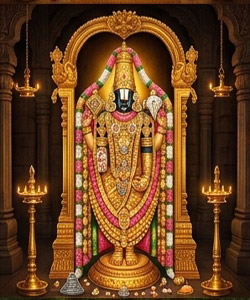
Narasimha Temple
Narasimha Temple Prahlad Ghat
Narasimha Temple Prahlad Ghat is in Varanasi, Uttar Pradesh. The temple is dedicated to Narasimha, the man-lion form of Vishnu. Its name and recorded location distinguish it within the network of local places of worship. A visitor should understand the shrine first through the community’s devotional use of it: the deity, the forms of prayer offered there, and the way the temple fits into the religious life of its town or village. The public information consulted for this record is strongest on the temple’s identity and location; where it does not document a date, festival schedule, or architectural attribution, those details are not stated as fact. Local oral traditions can be valuable parts of a temple’s living history, but they should be identified as belief or community memory rather than treated as independently established chronology.
The title Narasimha Temple Prahlad Ghat also gives a useful starting point for understanding the shrine. In Hindu worship, a temple name can preserve the form of a deity, a local epithet, a place name, or the memory of a devotional tradition. Here the central focus is Narasimha, the man-lion form of Vishnu; worshippers may approach the sanctum for darshan, prayer, and customary offerings according to the temple’s own rules. The precise order of worship, the people authorized to perform particular services, and the observances on special days are matters for the temple administration or priest to confirm. They can vary across temples even when the deity’s name is shared. This description therefore avoids assuming that every observance common elsewhere is necessarily performed at this site.
The setting in Varanasi is part of the visit. The temple should be considered alongside the neighbourhood and the people for whom it is a regular place of worship, not solely as an attraction to photograph. A respectful visitor can take time to notice the approach, the arrangement of public and restricted spaces, the relationship between the main shrine and any subsidiary sanctums, and the patterns of movement during darshan. Those observations are useful without requiring claims about unverified construction dates or legends. If a local guide or temple caretaker shares an origin story, visitors can ask how it is preserved by the community and whether the temple has a written account. Such conversations help distinguish documented information from oral tradition while still treating both with care.
The Narasimha shrine at Prahlad Ghat belongs to the Vaishnava side of Varanasi’s religious landscape. The official Kashi material connects the ghat with Prahlad and the Narasimha story, in which Vishnu appears to protect his devotee. The setting beside the Ganga links the temple to the riverfront practices that shape pilgrimage in the city. The narrative is a sacred story, while the ghat and shrine are part of the lived geography that residents and pilgrims continue to use.
A visit to this shrine is best understood through both its particular deity and its place in the surrounding community. Temples are not simply monuments to be viewed from outside: they are active settings for prayer, offerings, festivals, family vows and the daily work of priests and caretakers. The form of worship can change according to the calendar, and arrangements on an ordinary weekday may differ substantially from those on a festival day. Visitors who want to take part in a puja should ask the temple office or priest about current procedures, available services and any rules for entering the sanctum. Religious stories associated with a shrine belong to the faith traditions of worshippers; they can be described respectfully without presenting belief as independently verified history.
Before travelling to Narasimha Temple Prahlad Ghat, check current opening hours, festival dates and access arrangements with the temple or district administration. Public listings may not include temporary changes. Follow local guidance on footwear, queues, photography and access to the sanctum. Leave room for worshippers, avoid touching images or ritual objects, and ask before photographing people or ceremonies. These courtesies help visitors participate without interrupting the temple’s daily religious life.
The temple is best approached as a place where worship continues as part of the local community’s life. The name, deity and location provide a starting point; current temple guidance and conversations with the people who care for the shrine can add details that public listings do not contain.