

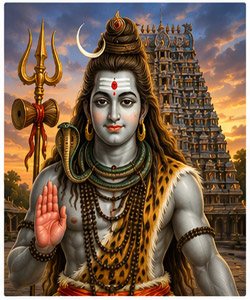
Muthappan Temple
Muthappan madappura
Muthappan Madappura at Nileshwaram, in Kerala’s Kasaragod district, is a shrine devoted to Sree Muthappan, a powerful and approachable folk deity of North Malabar. Unlike a conventional temple centred on a fixed stone image and a standard agamic ritual sequence, Muthappan shrines are closely connected with the performance of Theyyam. The deity is made present through ritual embodiment, music, costume and the interaction between the performer and devotees. This tradition gives the madappura a distinctive place within Kerala’s religious culture.
Muthappan is commonly understood through a combination of Shaiva and Vaishnava qualities. The ritual forms of Muthappan Theyyam express these aspects through two manifestations, often associated with Vellattam and Thiruvappana. Dogs are also linked with the deity and are treated with respect in the shrine’s devotional environment. These features distinguish Muthappan worship from the image-centred practice familiar at many other temples. Devotees approach the deity directly during ritual performances, offering prayers and seeking counsel, protection or blessings.
The Nileshwaram shrine belongs to a larger network of Muthappan madappuras across northern Kerala, each rooted in its local community and ritual calendar. Theyyam performances are the central occasions, and the timing of festivals can vary by shrine. When Muthappan appears through the ritual performer, devotees may bring offerings and receive blessings in a highly participatory setting. The event is simultaneously worship, sacred performance and a community gathering, preserving local memory and artistic knowledge across generations.
Visitors should approach the madappura with care and respect, since a Theyyam performance is a religious rite rather than a staged entertainment. Photography, access and offerings may be governed by local rules. The shrine’s importance lies in the continuing practice of Muthappan worship and the survival of a distinctive ritual tradition in Nileshwaram. It offers a way to understand how Kerala’s religious life includes local deities and performance practices alongside major temple traditions. The Muthappan Madappura is therefore best experienced through its active worship, with attention to the community that sustains it.
A madappura is the ritual home of the deity and does not necessarily resemble a built temple with the usual flagstaff and fixed idol. At Nileshwaram, the worship calendar is shaped by the arrival of Muthappan through Theyyam, with the performer’s costume, drum rhythms and sacred gestures forming part of the rite. Devotees may bring offerings such as cooked food, including fish, in keeping with local Muthappan customs. Practices differ among shrines, so visitors should follow the Nileshwaram community’s directions rather than assume that every Muthappan shrine follows an identical schedule.