

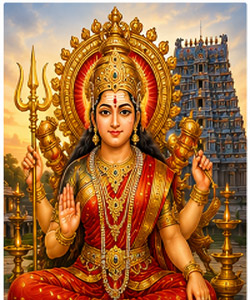
Shiva, Parvathy Temple
Kavinpuram Uma Maheswara Temple
Kavinpuram Uma Maheswara Temple is a local shrine at Ezhacherry in Kottayam district, Kerala, dedicated to Uma and Maheswara, the paired forms of Parvati and Shiva. The temple is known for worship that centres on the divine couple, and its name itself reflects this joint dedication. Unlike a large pilgrimage complex, Kavinpuram’s importance is rooted in the devotional life of the surrounding settlements and in the specific rites devotees undertake for family wellbeing and auspicious relationships.
The temple’s best-known observance is Swayamvara Pushpanjali, performed over seven consecutive Mondays and culminating in an Uma-Maheswara puja on the final Monday. Devotees undertake this sequence seeking blessings for marriage and harmonious family life. The observance is distinctive because the seven-week structure gives it a sustained devotional rhythm rather than a single festival day. The temple also holds its annual Thalappoli and other local celebrations according to the Malayalam calendar. These rites draw the community together and reflect the wider Kerala tradition of worshipping the Goddess through offerings, processions and collective participation.
The shrine sits in a rural setting between the towns of Pala and Ramapuram. Its scale and architectural character follow the regional temple environment, where a sacred precinct is organised around the sanctum, circumambulatory paths and spaces for offerings. The important aspect of the temple is not a claim to a monumental historic date, which is not established in the available sources, but its continuing ritual life and the local meanings attached to worship of Uma and Maheswara. Visitors should treat the seven-Monday rite as a living religious practice, not merely as a tourism event.
As with other active temples in Kerala, daily worship and festival observances are overseen by temple authorities and follow local custom. Visitors should check current puja schedules directly, since details can change with the Malayalam calendar and temple administration. The shrine is best approached with the decorum expected at a place of worship: observe dress and photography rules, allow worshippers space and follow instructions around the sanctum. For pilgrims, Kavinpuram offers a focused place for prayer to Uma-Maheswara; for those interested in Kerala’s religious culture, it shows how a comparatively local shrine can sustain a distinctive vow-based tradition and a strong bond with its community.
The temple’s appeal is therefore both devotional and local: it supports a specific set of prayers while remaining part of the everyday religious geography of Ezhacherry. Such shrines help show how Kerala’s temple network is made up not only of famous statewide pilgrimage centres but also of smaller sanctuaries with clearly defined ritual roles. Visitors should give priority to the temple’s directions and current puja schedule. Respectful conduct, modest dress and care around the sanctum allow the community’s worship to continue without interruption.