

Bhagavathi Temple
Karikkakom Sree Chamundi Temple
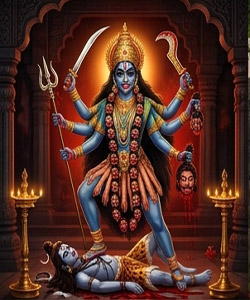
Karikkakom Sree Chamundi Temple is a historic Devi shrine in Thiruvananthapuram, Kerala, dedicated to Goddess Chamundi. The temple is believed to be several centuries old and is one of the capital’s important centres of Shakti worship. The deity is worshipped in multiple forms, including Raktha Chamundi, Bala Chamundi and Maha Chamundi, representing different aspects of the Goddess’s power.
The temple’s traditions connect it with the royal and social history of Travancore. Devotees visit to seek protection, fulfil vows and pray for family wellbeing. The temple is especially known for its Pongala festival, during which women prepare offerings in earthen pots outside the shrine. Navaratri and other Goddess festivals bring special puja and increased attendance. The temple’s annual calendar includes rituals unique to its local tradition.
The shrine’s active worship is maintained by the temple trust and its congregation. Daily puja and offerings continue throughout the year, while festival periods bring large gatherings. Visitors can observe the temple’s distinct forms of Chamundi and the ritual practices that accompany them. The temple is located in the Karikkakom area of Thiruvananthapuram and is accessible from the city.
Visitors should check the current schedule and follow temple rules concerning dress, offerings, photography and access to inner areas. Pongala and Navaratri can be especially crowded, so plan travel accordingly. Karikkakom Sree Chamundi Temple is significant for its historic presence, its three forms of the Goddess and its women-centred Pongala observance. It remains a major centre of Devi worship in Kerala’s capital and an important part of the city’s religious life.
Karikkakom is a major Bhagavathy shrine in Thiruvananthapuram, where the Goddess is worshipped as Chamundi, a fierce and protective form of the Divine Mother. The temple’s annual Pongala is especially significant: women devotees prepare offerings in earthen pots and dedicate them to the Goddess, transforming the surrounding area into a large communal ritual space. Navaratri and other Devi observances also draw worshippers, while daily puja continues through the year. The shrine’s position within the capital city makes it accessible to residents as well as pilgrims, and it forms part of the region’s wider network of Bhagavathy temples. Its role combines personal vows, family devotion and public festival participation. Visitors should respect the sanctum’s customs and expect traffic and crowd controls during major observances.
The festival’s scale reflects Karikkakom’s place in the religious life of the capital. During Pongala, the offering is prepared outside the sanctum by devotees, with the ritual turning streets and open spaces into an extension of the temple’s devotional environment. This is a characteristic form of public worship in southern Kerala, where a goddess shrine can serve as both a local sanctuary and a major gathering point. The annual calendar is based on Malayalam months and nakshatra days, so dates should be checked with the temple before a visit. Outside festival periods, worshippers come for routine darshan, offerings and personal vows. This combination of intimate daily practice and large public observance is central to the temple’s identity.