

Krishna Temple
Evoor Sreekrishnaswami Temple
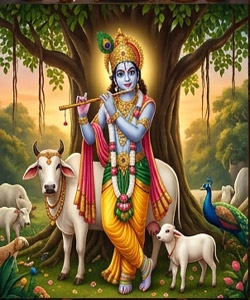
Evoor Sreekrishnaswami Temple is an important Krishna shrine at Evoor near Haripad in Alappuzha district, Kerala. The deity is worshipped as Sree Krishna, and devotees often refer to the temple as a major Vaishnava centre of the Onattukara region. The temple’s own tradition describes it as one of the important Mahavishnu shrines of Kerala and preserves accounts of its divine origin. Such sacred narratives are part of the temple’s devotional identity and should be distinguished from documented architectural history.
The annual Makara Utsavam is the principal festival, generally held in January or February and lasting ten days. The sequence begins with Kodiyettam, the ceremonial flag-hoisting, and includes daily worship and public observances before concluding with Arattu. A distinctive feature reported in local temple descriptions is Kala-Kettu, in which large decorated bull effigies are displayed during the festival. The festival brings together worship, procession and village participation, making it an important community event as well as a pilgrimage occasion. Dates follow the Malayalam calendar and should be confirmed before a visit.
Evoor’s location near Haripad and Cheppad connects the shrine with a wider pilgrimage circuit in Alappuzha district. Nearby temples include the well-known Subrahmanya shrine at Haripad and the serpent-god sanctuary at Mannarasala. These are separate temples with their own identities, but many pilgrims combine visits to them when travelling through the region. Evoor’s Krishna worship remains the focus of darshan, offerings and the temple’s daily ritual schedule.
The temple follows Kerala’s traditional pattern of worship, with the sanctum and its approach forming the centre of the devotional experience. Visitors should follow customary rules on dress and access, and consult the temple for current timings and offerings. During Makara Utsavam, the surrounding area becomes busier and local arrangements may affect entry. Evoor Sreekrishnaswami Temple is significant for its active Krishna worship, its distinctive ten-day festival and its place within the religious landscape of Onattukara. It offers a vivid example of how a village temple sustains both household devotion and a broader regional pilgrimage tradition.
The ten-day festival is also a time when the temple’s devotional and cultural roles are most visible. Local families participate in the preparations, processional rites and offerings, while visitors witness a festival rooted in the community rather than a performance created for tourism. A quiet-day visit offers a different experience focused on darshan and routine worship. Both are meaningful ways to understand the shrine, provided the visitor follows temple custom and respects the active ritual spaces.