

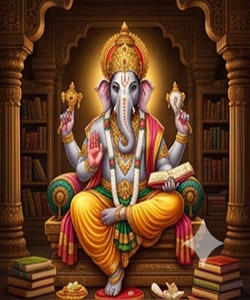
Lord Ganesha Temple
Chintaman Ganesh Temple
Chintaman Ganesh Temple is one of Ujjain’s prominent Ganesha shrines in Madhya Pradesh. It is dedicated to Lord Ganesha as Chintaman, the remover of worries and giver of peace. The temple lies outside the old city near the Kshipra River and is an important destination for devotees who visit Ujjain’s many sacred sites. The shrine is particularly associated with prayers for relief from anxiety and obstacles.
The temple’s history is linked with the Paramara period and later Maratha-era restoration, according to the temple’s own account. The main image of Ganesha is traditionally regarded as self-manifested, and the deity is worshipped along with Riddhi and Siddhi. The name Chintaman expresses the belief that the Lord relieves devotees of worldly concerns. Such devotional meanings remain central to the temple’s appeal and are reflected in the prayers and offerings made by visitors.
The temple’s architecture includes a pillared hall and carved stone features that reflect its long history. The precinct is active throughout the year, with Wednesdays and Sankashti Chaturthi bringing many devotees. Ganesh Chaturthi is a major festival, and special pujas are offered during the Hindu calendar’s important Ganesha observances. The temple also participates in Ujjain’s broader pilgrimage culture, which includes Mahakaleshwar Jyotirlinga and other sites.
Visitors should check the temple’s current darshan schedule and follow local rules for offerings and photography. Festival days are busy, and extra time may be needed. Chintaman Ganesh Temple is significant for its self-manifested deity tradition, its association with the relief of worries and its place among Ujjain’s important temples. It remains an active shrine where devotees come to seek clarity, calm and Ganesha’s blessings.
The temple’s history, as presented by its administration, includes references to the Paramara period and later restoration under Maratha patronage, including the era of Ahilyabai Holkar. The self-manifested Ganesha image is worshipped together with Riddhi and Siddhi, giving the deity a household and auspicious dimension. Sankashti Chaturthi is especially popular, and devotees often bring coconuts, durva grass and modak as offerings. The temple lies outside central Ujjain and is often combined with other pilgrimage sites. Its name Chintaman expresses the devotee’s hope that Ganesha will ease worries and remove obstacles.
Its location makes it easy to include in an Ujjain itinerary, but darshan should remain the focus of a visit.
Sankashti Chaturthi and Ganesh Chaturthi are especially popular occasions for worshippers.
The temple also has a distinct place in Ujjain’s weekly worship rhythm. Wednesday is widely observed as a day for Ganesha, while Sankashti Chaturthi draws devotees who fast and break the fast after moonrise. During Ganesh Chaturthi, the temple hosts special decorations and offerings. The local tradition of Chintaman as a self-manifested murti gives devotees a direct focus for prayer, while the historic building links contemporary worship to Ujjain’s older religious past. The temple is accessible by road from the city and is often visited with Mahakaleshwar and other nearby shrines.