

Yellamma Temple
Balkampet Yellamma Temple
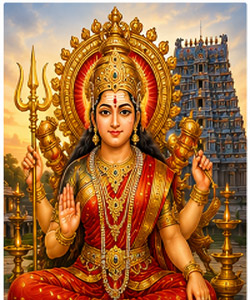
Sri Yellamma Pochamma Devasthanam at Balkampet is an active goddess shrine in Hyderabad, Telangana. The temple is dedicated to Yellamma, a name associated in regional traditions with the Mother Goddess, and is also known by the combined name Yellamma Pochamma. The state government lists the devasthanam among temples for which residents can access seva booking and donations through its MeeSeva services. That administrative reference confirms that the shrine operates as a functioning religious institution. The temple is also an important stop in Hyderabad’s Bonalu celebrations, a public festival dedicated to Mahakali and related local forms of the Goddess.
The Hyderabad District administration describes Bonalu as an annual festival celebrated in Hyderabad, Secunderabad and other parts of Telangana, usually during Ashada Masam, which falls around July and August. It records special pujas for Yellamma on the first and final days of the festival and identifies Balkampet Yellamma Temple as a major venue on the second Sunday in the citywide sequence. These details place the temple within a larger festival calendar that also includes Golconda and Ujjaini Mahakali, followed by temples in the old city. The sequence helps explain why Balkampet becomes especially busy during Bonalu: worship at this shrine is part of a wider devotional movement across the twin cities rather than a standalone event.
Bonalu itself takes its name from bonam, a Telugu word for a meal offering. The district account says families prepare rice with milk and jaggery in a new earthen or brass pot, decorate it with neem leaves, turmeric and vermilion, and carry it to the Goddess. Devotees also offer bangles, sarees and thottelu, colourful structures made with paper and sticks. Drums, processions and traditional dress contribute to the public character of the festival. The district page also preserves a community account that connects the festival’s origin to a plague in Hyderabad in 1813 and prayers offered to Mahakali by a military battalion deployed to Ujjain. The source presents this as a belief and origin tradition, not as a scientific explanation of disease or a verified historical conclusion.
The temple’s devotional life includes ordinary worship beyond the festival season. Visitors planning darshan or a particular seva should consult the current devasthanam or government booking information, since procedures, timings and availability can change. Bonalu dates follow the lunar calendar, and the exact dates shift each year. Crowds, traffic arrangements and queue systems may be different from one annual celebration to the next, so check official notices close to the visit. Visitors should dress modestly, follow directions from staff and police, and avoid obstructing the women and families carrying offerings in the procession.
Balkampet is an urban neighbourhood, so access is shaped by city traffic and festival road closures. Allow additional time during Bonalu and use current local transport guidance. Photography should be respectful and may be restricted around the sanctum or ritual offerings; ask before taking pictures. Sri Yellamma Pochamma Devasthanam is significant because it combines worship of the Mother Goddess with a highly visible role in Telangana’s Bonalu tradition. Its importance is sustained through the offerings and vows of devotees, the annual festival sequence and its place in the religious life of Hyderabad.