

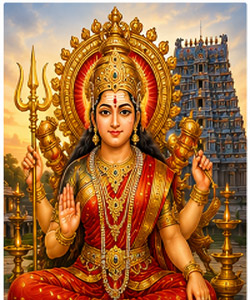
Vajreshwari Devi Temple
Vajreshwari Devi Temple
Vajreshwari Devi Temple is a well-known shrine in Vajreshwari village, Bhiwandi taluka, Thane district, Maharashtra. The Thane District administration describes the village as an important religious destination, set near the Tansa River and recognized for its hot-water ponds and springs. The temple is dedicated to Goddess Vajreshwari and is traditionally associated with Chimaji Appa. The shrine’s location places it within a broader landscape of religious sites, water bodies and the samadhi of Srinithanand Maharaj. Visitors often come both for darshan at the temple and to experience the nearby hot springs at Akloli and Ganeshpuri.
The official district source states that Chimaji Appa built the Vajreshwari Devi temple. The shrine is connected with local accounts of the Goddess’s power and protection, and the temple remains a place of active worship. Regional traditions and stories may differ in how they explain the deity’s name and the temple’s history; visitors should distinguish these devotional accounts from the limited historical details formally presented by the district. The government page’s strongest confirmed facts are the temple’s location, its association with Chimaji Appa and the village’s religious significance. For a deeper history or current ritual information, consult the temple authorities or local notices.
Vajreshwari village is also known for hot-water springs in the surrounding area. The Thane District administration identifies Akloli and Ganeshpuri as nearby attractions and notes local belief in the springs’ medicinal properties. Visitors should understand such claims as local belief and should follow health guidance before bathing, especially if they have medical conditions or concerns. The springs are separate from temple worship and should be approached with attention to safety and posted rules. The Tansa River and the broader landscape contribute to the region’s character, making the visit a combination of pilgrimage and local geography.
The district page lists Vasai as the nearest railway station and says state transport buses run from Thane and Vasai to Vajreshwari. Current schedules and route details may change, so verify them before travel. The temple and hot-spring areas can draw more visitors on weekends and festival days, and road traffic may be heavier during special observances. If travelling to both the temple and the springs, plan enough time for local transport and ask residents or official staff about the order of visits and current access.
Visitors should dress modestly at the temple, remove footwear where instructed and follow directions from priests or staff. Photography may be restricted in the sanctum or during worship; ask before taking pictures. Keep the temple precinct clean and be considerate of worshippers. Vajreshwari Devi Temple is significant for its Goddess devotion, its association with Chimaji Appa and its setting within a wider pilgrimage area that includes the Tansa River and nearby hot springs. A thoughtful visit respects both the active religious life of the shrine and the local environment that has helped shape the village’s appeal. Visitors should also confirm whether the hot-spring facilities are open and what rules apply before planning that part of the trip. The conditions and local arrangements may differ by season.