

Krishna Temple
Trichambaram Sree krishna Temple
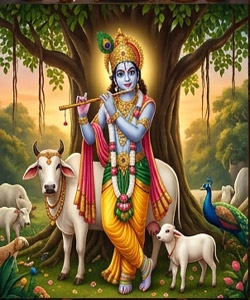
Trichambaram Sree Krishna Temple is a historic Vaishnava shrine in Taliparamba, Kannur district, Kerala. It is dedicated to Lord Krishna and is among the region’s important pilgrimage centres. Kerala Tourism notes that the temple’s sacred tradition predates the tenth century and highlights the unusual image of Krishna in Raudra Bhavam, a fierce or intense form. The temple is also known for mural paintings and a distinctive annual festival, giving it a strong presence in the religious and cultural life of North Malabar.
The deity’s fierce aspect is explained through the story of Krishna’s encounter with Kamsa. After defeating the tyrant, Krishna is understood to remain in an intense state, and this quality is reflected in the form worshipped at Trichambaram. A local belief holds that elephants are not permitted within the temple because Kamsa had sent elephants to attack Krishna. The custom is a reminder of how epic stories shape not only ritual interpretation but also the practical rules followed at a temple. Such explanations are part of the community’s devotional tradition.
The annual festival takes place in March and is especially noted for Thidambu Nritham, a ritual dance performed with the decorated image of the deity. Kerala Tourism describes the festival as lasting fourteen days, during which temple observances, processions and performances attract devotees from across the region. The temple’s murals contribute to its visual heritage, while the regular worship maintains its role as an active religious institution. The festival’s combination of devotion and ritual art makes Trichambaram a notable centre of Kerala temple culture.
Pilgrims visit for darshan, to participate in Krishna worship and to experience the festival calendar. The temple lies around twenty kilometres from Kannur and near the town of Taliparamba, making it accessible as part of a wider pilgrimage circuit in the district. Visitors should respect the customs surrounding the deity and note that some familiar practices at other temples may differ here. Trichambaram’s significance comes from its ancient Vaishnava tradition, the distinctive Raudra form of Krishna and the continued performance of local ritual arts.
The temple’s festival is traditionally held in Kumbham, usually during March, and extends across fourteen days. Kerala Tourism highlights Thidambu Nritham, a ritual dance performed with the deity’s decorated image, as a distinctive part of the celebrations. The temple’s murals and the festival performances together make it one of the notable sites for observing North Malabar’s ritual arts. An important local custom excludes elephants from the temple, linked in popular belief to Kamsa’s attempt to kill Krishna with elephants. This practice gives the temple a particular atmosphere and shows how the narrative of Krishna’s life is embedded in the conduct of worship.