

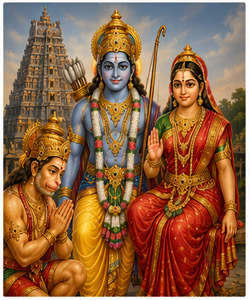
Lakshmana Temple
Thirumoozhikkulam Sri Lakshmana Perumal Temple
Thirumoozhikkulam Sri Lakshmana Perumal Temple is a major Vaishnava shrine in Thirumoozhikkulam, Ernakulam district, Kerala. It is one of the 108 Divya Desams praised by the Alvar saints and is dedicated to Lakshmana Perumal, a form of Vishnu. The temple is especially notable because Lakshmana, Rama’s devoted brother, is the central deity, giving the shrine a distinctive place in the Vaishnava pilgrimage tradition.
The temple’s sacred history is associated with the Ramayana and the devotion of Lakshmana. Local tradition says that Lakshmana came to this place after the events of the epic and worshipped Vishnu. The name Thirumoozhikkulam is linked with the sacred words or teachings spoken by the deity. Such stories are devotional narratives that explain the temple’s identity and should be understood as tradition rather than a dated historical record.
The temple follows the Kerala style of architecture, with a walled compound and a central sanctum. Daily puja and offerings are conducted according to Vaishnava ritual, and the annual festival includes special observances and processions. The temple is also part of the Nalambalam pilgrimage circuit, in which devotees visit the temples of Rama and his brothers during the Malayalam month of Karkidakam. This circuit connects Lakshmana Perumal with the other Ramayana shrines of central Kerala.
Visitors should check local schedules for darshan and festival dates, as they follow the Malayalam calendar. The temple is an active place of worship and is subject to customary rules on dress, photography and access. Thirumoozhikkulam is significant for its Divya Desam status, its worship of Lakshmana Perumal and its place in the Nalambalam pilgrimage. It remains a living Vaishnava shrine where the Ramayana tradition and Alvar devotional heritage continue to shape worship.
Thirumoozhikkulam is one of Kerala’s revered Vaishnava pilgrimage sites and is included among the 108 Divya Desams praised in the Tamil hymns of the Alvars. The deity is worshipped as Lakshmana Perumal, an association that also connects the shrine to Kerala’s Nalambalam pilgrimage circuit of four temples linked with Rama and his brothers. This makes the temple important not only to local worshippers but also to Sri Vaishnava pilgrims tracing the sacred geography of the Alvar canon. Its ritual life follows Kerala temple customs, with daily worship and annual festival observances. Accounts linking the four Nalambalam shrines to the installation of the brothers’ images belong to devotional tradition. The temple’s enduring significance lies in the way its local worship, literary sanctity and regional pilgrimage practice reinforce one another.