

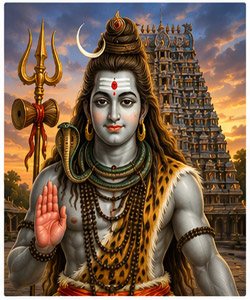
Shiva Temple
Sri Uma Markandeyeswara Swamy Temple
Sri Uma Markandeyeswara Swamy Temple is located on the Godavari riverfront at Rajamahendravaram, Andhra Pradesh. The East Godavari District administration identifies it as a Shiva shrine associated with the sage Markandeya and the goddess worshipped alongside Shiva. Its foundation story is connected with the familiar Markandeya narrative: a sage named Mrukhanada prayed for a child, and Shiva granted a choice between a daughter without a husband or a son whose life would end at eleven but who would be devoted and virtuous. The sage chose the boy, and Markandeya devoted himself to worship. This is a sacred account preserved by the temple’s official district page, not a modern historical record.
The district account says Markandeya installed a lingam at the site and worshipped Shiva. When Yama came to claim the boy at the age of eleven, Shiva intervened and granted him long life. The temple is consequently known as Sri Uma Markandeyeswara Swamy Temple, linking the shrine with Markandeya’s devotion and Shiva’s protection. This story is important to devotees who associate the temple with faith, prayer and the hope for wellbeing. Visitors should receive such associations as religious belief rather than as a guarantee of any personal outcome. The temple’s name also reflects the presence of Uma, a form of Parvati, alongside Markandeyeswara.
Rajamahendravaram is one of the historic towns on the Godavari and is described by the district administration as a center of Andhra learning, culture and religious activity. The Uma Markandeyeswara shrine is part of this broader temple landscape and lies near the riverfront, where temples and ghats are closely connected with pilgrimage. The district site places the town about sixty-five kilometres from Kakinada and seventy kilometres from Amalapuram. Rajamahendravaram is connected by rail and road, but visitors should check current service times, traffic conditions and the best route to the temple before travel.
The official temple information names the shrine and preserves its origin account, but it does not provide a complete current schedule of daily pujas, festival programmes or seva procedures. Visitors planning to attend a special ritual should contact the temple or consult current Endowments Department notices. Maha Shivaratri, Karthika Masam and Navaratri are among important Hindu observances broadly associated with Shiva and Devi worship, but current temple-specific programmes should be confirmed before planning. Opening hours can also change for festivals, eclipses or local events.
A visit should be respectful of both worship and the riverfront environment. Follow temple staff instructions, dress modestly and ask before photographing rituals or devotees. If visiting the Godavari ghats as well, take care around steps and water, especially during high river conditions. Sri Uma Markandeyeswara Swamy Temple is significant for its Markandeya tradition, its Shiva-Uma worship and its setting in Rajamahendravaram’s historic religious landscape. The shrine’s meaning is sustained by devotees who continue to visit and pray, making its story part of the city’s living sacred geography. Local residents can provide practical guidance about nearby ghats, traffic patterns and the best approach to the temple. Visitors should verify these details on the day, especially during festivals or river events.