

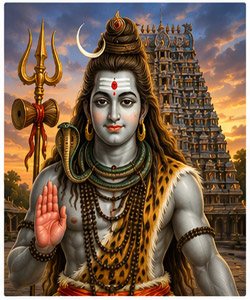
Shiva Temple
Sri Malleswara Swamy Temple
Sri Bhramaramba Malleswara Swamy Temple is located in Pedakakani near Guntur in Andhra Pradesh. The Andhra Pradesh Endowments Department lists Sri Malleswara Swamy Temple at Pedakakani among the state’s administered temples, and recent festival reporting confirms continuing public worship at the shrine. The temple is dedicated to Shiva as Malleswara, with Goddess Bhramaramba worshipped as his consort. Together the deities give the shrine its fuller name, Bhramaramba Malleswara Swamy. The temple is a prominent local pilgrimage destination and is particularly known for the Rahu–Ketu puja performed by devotees seeking a ritual observance connected with planetary afflictions and personal vows.
The temple is part of the religious life of Pedakakani and the wider Guntur region. Its principal observances include daily worship and special pujas on auspicious days. Maha Shivaratri is an important annual festival, when temple authorities coordinate arrangements for larger crowds. Reports from the temple’s festival preparations describe special worship and arrangements for devotees, and recent references to the temple continue to place it within the state’s active Endowments network. Because festival schedules, queues and service procedures can change, pilgrims should check the latest notices or contact the temple administration before visiting, especially if they intend to perform a specific puja.
Rahu–Ketu worship is the best-known special service associated with Pedakakani. Devotees visit to take part in the ritual according to the temple’s current procedure. Religious observances of this kind express a devotee’s faith and should not be interpreted as a guaranteed remedy for medical, financial or other problems. Visitors should obtain service instructions from the temple itself, including the current ticketing, reporting time and required offerings. The service may attract larger crowds on selected weekdays and festival dates, so allowing additional time is sensible. The exact schedule and fee are subject to change and should not be assumed from older online listings.
The devotional identity of the shrine is also shaped by its Shaiva traditions and the pairing of Malleswara with Bhramaramba. Shiva temples commonly observe Pradosha, monthly Shivaratri and Maha Shivaratri, while local temple calendars may add processions, abhishekam and other sevas. Visitors should confirm which rituals are offered on the date of their visit rather than assuming every service is available each day. The temple’s active administration and the reported organisation of its annual festival establish it as a functioning religious institution, while the district and state listings provide a dependable location and institutional reference.
For pilgrims, Pedakakani is a practical stop within the Guntur area, but the visit is first and foremost a temple visit. Modest dress, quiet conduct and respect for queues help protect the worship environment, especially during Shivaratri and other busy occasions. Photography may be restricted in the sanctum and during puja; ask the staff before taking pictures. Visitors who need current directions, opening times or seva details should use the temple’s official Endowments information or confirm locally, since third-party schedules can become outdated. Sri Bhramaramba Malleswara Swamy Temple remains important to devotees because it brings together Shiva and Bhramaramba worship, daily puja, the distinctive Rahu–Ketu service and the annual Shivaratri gathering in the religious landscape of Pedakakani.