

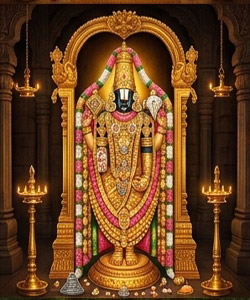
Mukkolakkal Bhagavathi Temple
Sreevaraham Mukkolakkal Bhagavati Temple
Sreevaraham Mukkolakkal Bhagavati Temple is an old and renowned Devi shrine in Thiruvananthapuram, Kerala. The Goddess, known locally as Mukkolakkal Bhagavathi or Mukkolackalamma, is worshipped as a protective mother deity. The temple is located in Sreevaraham, southeast of the Sree Padmanabhaswamy Temple, and remains an active centre of worship within the capital. Devotees visit for daily darshan, offerings and the temple’s distinctive cultural and musical observances.
The temple’s official history records that the consecration of the idol was performed by Tharananallur Namboodiripad, who was in Thiruvananthapuram for the Arattu festival at the Padmanabhaswamy Temple. Kerala’s Raj Bhavan has also described the shrine as one of the oldest Devi temples in the city and noted a local legend that Kannaki rested there on her way to Kodungallur. The Kannaki story is a sacred local tradition, not a verified historical itinerary. These accounts together show how the temple is connected both to the ritual world of the capital and to broader goddess narratives of Kerala.
A distinctive feature of the temple’s cultural calendar is the month-long Aadi Chovva musical festival, which has helped nurture music and rhythm in the local community. The official temple site also maintains a calendar of its observances. The Goddess is worshipped throughout the year, with special offerings and festivals drawing devotees from Sreevaraham and other parts of Thiruvananthapuram. Visitors planning around a particular festival should consult the temple’s current calendar, because dates follow the Malayalam and lunar calendars.
The temple can be reached by local roads from central Thiruvananthapuram and Sree Padmanabhaswamy Temple. As an active shrine, it has customs concerning clothing, footwear and access to the sanctum. Visitors should follow the directions of temple staff, avoid disrupting puja and seek permission before photographing ceremonies. The neighbourhood setting gives the shrine a close connection to daily city life, while its festivals provide a focus for wider participation.
Sreevaraham Mukkolakkal Bhagavati Temple is important as a historic Devi shrine, as a place linked with local Kannaki tradition and as a continuing centre of worship and music. Its consecration story and Aadi Chovva festival connect religious devotion with the cultural life of Thiruvananthapuram. The temple’s significance is sustained by both daily puja and the community observances that bring worshippers together. Its proximity to the older sacred quarter also allows visitors to understand how smaller neighbourhood shrines coexist with the capital’s major temple institutions. The shrine’s ongoing music festival helps preserve a local artistic tradition alongside its central devotional purpose.