

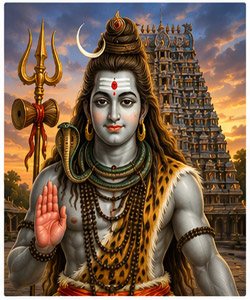
Shiva Temple
Sree Visalakshi Sametha Sree Viswanathaswamy Temple
The temple of Sree Visalakshi Sametha Sree Viswanathaswamy Temple stands in Kalpathy, Palakkad, Kerala, where it serves as a continuing centre of worship. Kalpathy Viswanatha temple honours Shiva and Visalakshi; the Tamil agraharam setting and November chariot festival define its identity. The shrine's identity is shaped by Shiva, the distinctive local account of the site and the rhythm of religious life around it. Pilgrims and residents may arrive with different purposes—vows, festival visits, family prayers or interest in local heritage—but the sanctuary remains first a sacred place governed by its own customs.
A temple's significance is also expressed in how it is used. Daily puja offers a stable rhythm, while annual events bring back families and visitors who may live far from Kalpathy, Palakkad. Such return visits connect personal acts of devotion with the history of a neighbourhood and the larger religious landscape of Kerala. Community participation—supporting festival arrangements, preparing offerings and observing customary routes—helps preserve a living institution. The shrine's importance therefore includes social memory and collective practice as well as the deity and building.
The physical space can be approached with the same care. The sanctum, subsidiary shrines, entrance, flagstaff or festival route—where present—organize how people worship and gather. Observe which areas are open to visitors, whether footwear must be removed and whether photography is restricted. Festival decorations and offerings may be part of a ritual rather than a display. Taking time to notice how the precinct is used gives a more grounded impression than looking only for a single architectural feature or a dramatic origin story.
The calendar and practice matter as much as historical description. Shaiva worship gives special importance to Maha Shivaratri, Mondays and the month of Shravan, when devotees offer water, flowers and bilva leaves to Shiva. The temple's own annual festival may add local processions or observances. In addition to festival days, worshippers visit for personal milestones, thanksgiving and prayers for family wellbeing. A temple may therefore be busiest at several different times: a public festival, an auspicious weekly day, or a quieter weekday when people come for individual darshan. Dates follow the lunar calendar in many Hindu traditions and can vary from year to year; current notices from the temple or local authorities are the reliable guide for planning.
Sree Visalakshi Sametha Sree Viswanathaswamy Temple is significant because it keeps a particular devotional tradition rooted in Kalpathy, Palakkad and connects it to the broader religious culture of Kerala. The shrine's local features, its festival calendar and the stories associated with it give worshippers a sense of continuity. For pilgrims, the visit may form one part of a route; for residents, it can be woven into ordinary routines. Both relationships are important. They show how sacred places remain relevant through use, care and community participation rather than through historical age alone.
A thoughtful visit begins by treating Sree Visalakshi Sametha Sree Viswanathaswamy Temple as a functioning religious institution. Follow the customary order of worship, respect the sanctum's boundaries, and give space to processions and people making offerings. If the temple has an annual event, check local announcements because timings and access can change with the ritual programme. The most useful details to notice are the deity, the local tradition, the way worshippers use the precinct and the relationship between the temple and its setting. Together they explain why this shrine matters to people in Kalpathy, Palakkad and beyond.