

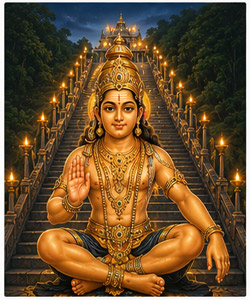
Sree Parvathy Temple
Sree Vadakkan Koickal Devi Temple
Sree Vadakkan Koickal Devi Temple is a Bhagavathy shrine in Puthiyavila, near Kayamkulam in Alappuzha district, Kerala. The temple is dedicated to the Mother Goddess and serves the local community through daily worship and annual observances. Devotees visit to seek blessings for protection, health and family wellbeing.
The shrine belongs to Kerala’s village temple tradition, where local forms of Bhagavathy worship are maintained through ritual practice and community participation. The temple’s name suggests a connection with a historic household or royal residence, though the precise details of its origin are preserved mainly in local tradition. Daily puja and offerings remain the core of temple life, while festival days bring devotees from neighbouring villages.
The temple’s annual observances follow the Malayalam calendar and include special worship of the Goddess. Navaratri and other Devi festivals are important periods for darshan and offerings. Families may make vows and return to fulfil them, maintaining a personal relationship with the deity. The shrine is an active place of worship rather than a historic monument alone.
Visitors should check current timings and festival dates with the temple, as local schedules may vary. The temple is located in a village setting and can be reached by local roads from Kayamkulam. Visitors should follow customs regarding dress, footwear, photography and access to the sanctum. Sree Vadakkan Koickal Devi Temple is significant for its continuing Bhagavathy worship and its role in the religious life of Puthiyavila. The devotion of its local congregation sustains the shrine throughout the year.
Vadakkan Koickal Bhagavathy is a local Devi shrine in Puthiyavila near Kayamkulam, with worship rooted in the village’s community life and Kerala’s broader Bhagavathy tradition. Devotees seek the Goddess’s protection and blessings through daily offerings, vows and participation in the annual festival. As with many regional shrines, the temple’s significance is carried by its ritual continuity and the relationship between the deity and local families rather than by a widely documented architectural history. Festival days bring processions and observances that draw worshippers from neighbouring settlements. The temple’s name and local traditions should be preserved carefully in the database so it is not confused with similarly named Devi temples elsewhere. Visitors should confirm current festival schedules and darshan arrangements with the temple, especially when travelling from outside the area.
The wider Kayamkulam region contains many local Bhagavathy and Shiva shrines, each maintained through the participation of neighbourhood communities. Vadakkan Koickal is best described in that regional context: an active village sanctuary whose meaning is carried through regular worship and the return of families for festival vows. The deity’s role as a protective mother figure is central to devotional practice, and offerings are made according to the temple’s own accepted customs. Since detailed public historical documentation is limited, the temple’s age and origin should not be stated as fact without support from the Devaswom or an inscription. Visitors should check locally for current opening hours and festival dates. This careful distinction preserves what is known while respecting the living religious identity of the shrine.