

Shri Porkkali Temple
Sree Mridanga shaileshwari Temple
Sree Mridanga Shaileshwari Temple is an important Devi shrine at Muzhakkunnu in Kannur district, Kerala. The Goddess is worshipped as Mridanga Shaileshwari, and the temple is strongly associated with the cultural and religious history of North Malabar. Temple tradition places it among the sacred Durga shrines established by Parashurama, while Kerala Tourism describes it as one of the region’s renowned temples dedicated to Goddess Durga. The shrine is also remembered as the family deity of Pazhassi Raja, the eighteenth-century ruler and resistance leader whose history is closely linked with Kannur.
Local accounts describe the temple as an important centre for the Porkali tradition and as a focal shrine for a wider network of related temples. The name Mridanga Shaileshwari is associated with a sacred drum-shaped hill and with the Goddess’s manifestation in the area. The temple’s own history preserves legends about the deity and the region’s rulers; these are part of the living tradition and should be identified as such rather than treated as independently verified chronology. The Pazhassi Raja connection gives the shrine an additional historical dimension: worshippers and visitors encounter both a religious sanctuary and a place woven into regional memory.
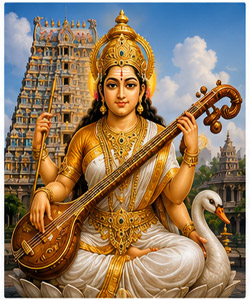
The temple’s ritual identity includes worship of the Goddess in her protective and knowledge-giving forms. Local traditions connect the deity with music, arts and learning, and the shrine is a place where devotees seek blessings for skill and wellbeing. The annual calendar includes Devi festivals and ritual observances shaped by North Kerala practice. As elsewhere in Malabar, temple life is closely connected with local performance and ritual culture, including the region’s broader traditions of Theyyam and Thira, though these practices should not be assumed to occur inside the shrine unless confirmed by the temple schedule.
The temple remains an active place of worship in a village setting. Visitors should check the current calendar and follow customary rules around the sanctum and offerings. Its importance rests on the continuing devotion to the Goddess, the association with Pazhassi Raja and its place in the wider sacred geography of North Malabar. The shrine offers a meaningful way to understand how religious practice, local history and community identity intersect in Kannur.
The connection between the shrine and Pazhassi Raja is one reason the temple is remembered as part of the region’s cultural heritage as well as its religious life. It is most accurately described by keeping the layers distinct: the active worship of the Goddess, local traditions concerning the shrine’s origin, and the historically important association with the ruler. Visitors interested in Malabar heritage can understand these layers through respectful observation and local interpretation, while temple rules and the current festival calendar remain the practical guide for darshan.