

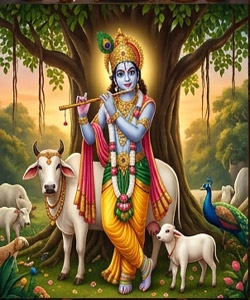
Krishna as Bala Krishna Temple
Sree Balakrishna Swamy Temple
Sree Balakrishna Swamy Temple is located in Kuzhuppilly on Vypeen Island in Ernakulam district, Kerala. It is dedicated to Krishna in his child form, Balakrishna, and is closely connected with the Goud Saraswat Brahmin community of the region. The temple is popularly known as Vypeen Guruvayoor, a local expression of the affection and devotional importance attached to the shrine; it should not be confused with the major Guruvayur temple. The deity’s child form gives worship here a warm domestic character, while the temple’s community history gives it a distinct identity within the island’s religious life.
The temple’s history is associated with the migration of Goud Saraswat Brahmins from Goa and their settlement in the Cochin region. The community maintained its language, customs and devotional practices while establishing local shrines that became centres of worship and social continuity. The Kuzhuppilly temple is one such institution. The specific chronology of its origins is recorded in community tradition and should be presented as such unless supported by a dated inscription or archival record. Its significance is clear in the way it continues to serve local families and devotees across Vypeen.
The architecture and ritual layout are characteristic of Kerala temples, with a sanctum and surrounding precinct arranged for darshan, offerings and circumambulation. The shrine’s annual Mahotsavam and Krishna-related observances bring worshippers together through puja, music and devotional gatherings. Janmashtami is especially relevant to a temple dedicated to Balakrishna, as devotees celebrate Krishna’s birth through worship and community participation. The temple also sits near other shrines in Kuzhuppilly, forming part of the local sacred landscape rather than an isolated monument.
Visitors should approach the temple as an active community shrine and follow local customs regarding dress, photography and entry to the inner areas. Festival dates follow the Malayalam calendar and should be checked with the temple before travel. The temple’s lasting importance comes from the combination of child Krishna worship, the history of a regional community and the continuity of local ritual life. For a visitor, it offers insight into how Kerala’s island communities have sustained their religious traditions while adapting to the changing social history of the Ernakulam coast.
The temple also illustrates the way a migrant community can preserve a devotional identity over generations while becoming rooted in a new regional setting. The Goud Saraswat Brahmin association is an important part of the shrine’s history, but the temple serves worshippers through its present rituals rather than only through its origin story. The most reliable account of festival dates, offerings and access is the temple’s own current guidance. Visitors should allow local worship to take precedence over sightseeing.