

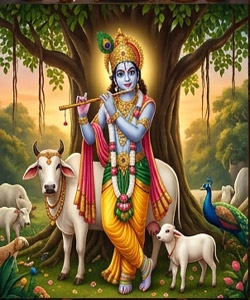
Krishna (Radha Vallabh) Temple
Shri Radha Vallabh Temple
Shri Radha Vallabh Temple in Vrindavan, Uttar Pradesh, is the principal shrine of the Radha Vallabh Sampradaya, a devotional tradition centred on the intimate worship of Radha and Krishna. The temple’s name means “beloved of Radha,” expressing the tradition’s emphasis on Radha’s spiritual primacy. The historic shrine is part of Vrindavan’s dense network of temples and sacred sites associated with Krishna’s life and the devotional poetry of Braj.
The temple tradition traces its origins to Hith Harivansh Mahaprabhu, the founder of the Radha Vallabh Sampradaya in the sixteenth century. The original temple was built in the early modern period and became an important centre of the community’s worship. The present sacred image represents Krishna as Radha Vallabh, while Radha is honoured through a crown and the presence of her name and devotional symbols in the sanctum. This form of worship is distinctive: the tradition conveys Radha’s presence and importance without relying on a conventional paired image in the usual manner.
Daily seva is central to temple life. The deity is awakened, adorned, offered food and presented for darshan according to a sequence of services shaped by the Braj tradition. Devotional singing and the poetry associated with the sampradaya help form the atmosphere of worship. Major festivals include Radhashtami, Janmashtami, Holi and the seasonal celebrations of Vrindavan, when the temple receives large numbers of pilgrims.
The historic building is also noted for its architectural and heritage value, although the temple’s primary importance remains its living worship. Visitors should check the current darshan schedule, since the sanctum may close during seva intervals. The old lanes of Vrindavan can be crowded, particularly during Holi and Janmashtami. Shri Radha Vallabh Temple offers a focused encounter with one of Braj’s distinctive devotional lineages and remains a significant place for worshippers who honour Radha and Krishna through the tradition of seva and song.
The Radha Vallabh tradition is known for the intimate, affectionate mood of its seva and for devotional compositions attributed to Hith Harivansh and his followers. The temple’s rituals emphasize serving the deity as a beloved presence, with music, adornment and food offerings integrated into the day. This approach is distinct from a purely formal visit to a historic structure. The old shrine is also valued for its early eclectic architecture and protected heritage status, but the sampradaya continues to worship there. Visitors should observe the temple’s own seva schedule and avoid assuming that darshan is open continuously.