

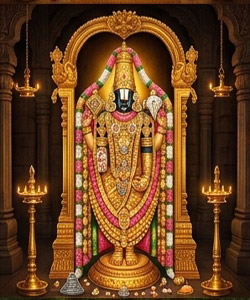
Lord Mahavishnu Temple
Shree Ananthapadmanabha Swamy Temple
Shree Ananthapadmanabha Swamy Temple at Ananthapura in Kasaragod district is Kerala’s distinctive lake temple, built on a small island in the middle of a freshwater lake. The presiding deity is Vishnu as Ananthapadmanabha, reclining on the serpent Anantha. The temple is traditionally regarded as the original abode, or moolasthanam, of the deity worshipped at the celebrated Sree Padmanabhaswamy Temple in Thiruvananthapuram. This association gives the northern shrine a special place in Kerala’s Vaishnava sacred geography, while the lake setting makes it unlike the state’s other major temple complexes.
The shrine is generally dated to the ninth century in official tourism descriptions, although its origin story is presented through sacred tradition. One account tells of the sage Divakara Muni, who performed penance at the site and encountered Vishnu in the form of a child. After the sage offended the child, the deity disappeared and later manifested in a vast form reclining on Anantha. The story explains the temple’s association with the serpent and the deity’s name. As with many temple origin narratives, it expresses religious meaning and should not be treated as a documentary construction record.
The temple’s architecture is closely linked to water. The main shrine stands at the centre of the lake, reached by a narrow stone bridge. Around the sanctum are the namaskara mandapam, a shrine to Jala-Durga, and spaces used for ritual and offerings. The wooden ceilings are decorated with carved panels depicting stories associated with Vishnu, including the Dashavatara, while painted images of the Navagrahas appear in the mandapam. The reflection of the copper-covered roof in the lake and the quiet approach across the water contribute to a contemplative atmosphere. Kerala Tourism describes Ananthapura as the only lake temple in the state and notes that natural springs replenish its freshwater lake.
The temple is also known for the story of Babia, a crocodile believed by devotees to have guarded the lake and lived on temple offerings. The animal became a widely recognized part of the shrine’s identity, but Babia died in 2022, so descriptions should not imply that a crocodile is currently present. The story remains part of local memory and illustrates how the temple’s natural environment, folklore and devotional life are closely connected.
Daily worship continues at Ananthapura, and visitors should observe temple dress and conduct requirements, follow directions on the bridge and around the sanctum, and avoid disturbing the lake or its wildlife. The shrine is important as a place of Vaishnava devotion, a traditional link to Thiruvananthapuram’s Padmanabhaswamy worship, a rare lake-based architectural setting and a keeper of local legend. Its quiet surroundings are memorable, but its central significance remains the worship of Ananthapadmanabha.