

Hanuman Temple
Sankat Mochan Hanuman Temple
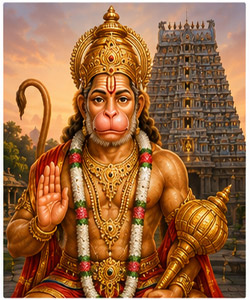
Shri Sankat Mochan Temple is a prominent Hanuman shrine in Varanasi, Uttar Pradesh. The Kashi Official Web Portal describes the temple as one of the city’s most revered places of worship and identifies Lord Hanuman as its presiding deity. The name Sankat Mochan is commonly understood as “reliever of troubles,” expressing the faith of devotees who pray to Hanuman for strength, courage and help through difficulties. The shrine is associated with Lord Rama as well as Hanuman, whose devotion and service to Rama are central themes in the Ramayana tradition. Pilgrims visit to offer prayers, recite the Hanuman Chalisa and seek darshan in a temple that remains part of everyday religious life in Kashi.
The Kashi portal dates the temple’s establishment to the early sixteenth century and associates its founding with Goswami Tulsidas, the saint-poet known for the Ramcharitmanas and Hanuman Chalisa. The portal preserves a local legend that Tulsidas had a divine vision of Hanuman at this place, inspiring him to establish the shrine. This story is important to the temple’s sacred identity, though it should be understood as a devotional tradition rather than a contemporary construction record. The relationship between Tulsidas, Rama devotion and Hanuman worship makes the site meaningful to pilgrims who approach the temple through the literary and spiritual traditions of North India.
According to the official description, the Hanuman image inside the sanctum is decorated with sindoor and marigold garlands. Tuesdays and Saturdays are treated as especially auspicious days, bringing many devotees who chant, make offerings and light lamps. Hanuman Jayanti is a major annual observance, and crowds can grow substantially. Visitors should check current temple notices and local access arrangements before travelling, as festival dates follow the Hindu calendar and security or traffic measures may change. The portal lists morning and evening opening periods, but current timings should be confirmed directly before a visit, especially around festivals or public events.
The temple also has a distinctive cultural role through the Sankat Mochan Sangeet Samaroh, an annual classical music and dance festival. The Kashi portal describes the event as bringing respected performers to the temple, joining the arts with religious devotion. This association reflects a broader history in which music and poetry have been important forms of bhakti and public cultural life. The festival programme and dates vary, so anyone planning to attend should look for current information from the temple or Kashi authorities. It is best to experience performances as offerings within a sacred setting and to follow the organizers’ instructions about seating, photography and movement through the premises.
The temple is near the Assi area of Varanasi, at the location described by the Kashi portal opposite the post office and Mega Shop Mall. Streets can become congested, particularly on Tuesdays, Saturdays and Hanuman Jayanti. Plan time for the final approach and be prepared to walk if vehicles cannot reach the entrance. Wear modest clothing, follow queue instructions and make room for people carrying offerings. Ask staff before photographing the sanctum, worshippers or musicians. Shri Sankat Mochan Temple is both a place of prayer and a cultural landmark: its Hanuman devotion, Tulsidas tradition and annual music festival connect spiritual practice with the living arts of Varanasi.