

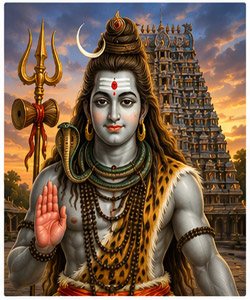
Shiva Temple
Pazhaya Sreekanteswaram Shree Mahadeva Temple
Pazhaya Sreekanteswaram Shree Mahadeva Temple, or Old Sreekanteswaram Temple, is a Shiva shrine at Puthenchantha in Thiruvananthapuram, Kerala. The temple is regarded as the original sacred abode associated with the deity of the better-known Sreekanteswaram Mahadeva Temple. Its name, “Pazhaya,” meaning old, distinguishes it from the later temple in the city and preserves an important relationship between the two shrines in local tradition.
Public descriptions identify Pazhaya Sreekanteswaram as one of Kerala’s ancient Shiva temples and describe it as the original home of the Lord worshipped at the newer Sreekanteswaram temple. Local tradition also links the current temple’s origin with an elderly woman who noticed a self-manifested Shiva linga at the site. These accounts form part of the temple’s sacred memory; a precise archaeological date for the surviving structures is not established in the available public records. The shrine’s historical character is expressed through its relationship with the city’s older religious life and the continuing worship of Shiva.
The temple observes daily puja and serves devotees from the surrounding neighbourhood. A customary connection between the old and new shrines is seen in the festival calendar: local reporting notes that festivities at the newer Sreekanteswaram Temple begin only after the Panthirunaazhi ceremony at Pazhaya Sreekanteswaram. This sequence reflects a ritual relationship between the two sites and gives the older shrine an ongoing role in the city’s annual observances. Visitors should check local notices for current dates and procedures.
Puthenchantha is within central Thiruvananthapuram and the temple can be reached by local roads. The shrine is an active place of worship, so visitors should follow rules about dress, footwear, offerings and access to the sanctum. Photography should be undertaken only where permitted, and worshippers should be allowed to complete puja without interruption. The temple’s smaller scale and location in a residential area make it helpful to plan a quiet visit outside busy festival periods.
Pazhaya Sreekanteswaram Temple is significant as an old centre of Shiva worship, as the traditional origin shrine of the newer Sreekanteswaram temple and as an active part of Thiruvananthapuram’s ritual calendar. Its connection with the city’s best-known Shiva shrine adds historical depth to the capital’s religious geography. A visit offers insight into the continuity of worship between old neighbourhood temples and the larger institutions that developed around them. The ceremony at the older temple shows that its role remains embedded in contemporary ritual practice, not only in historical memory.