

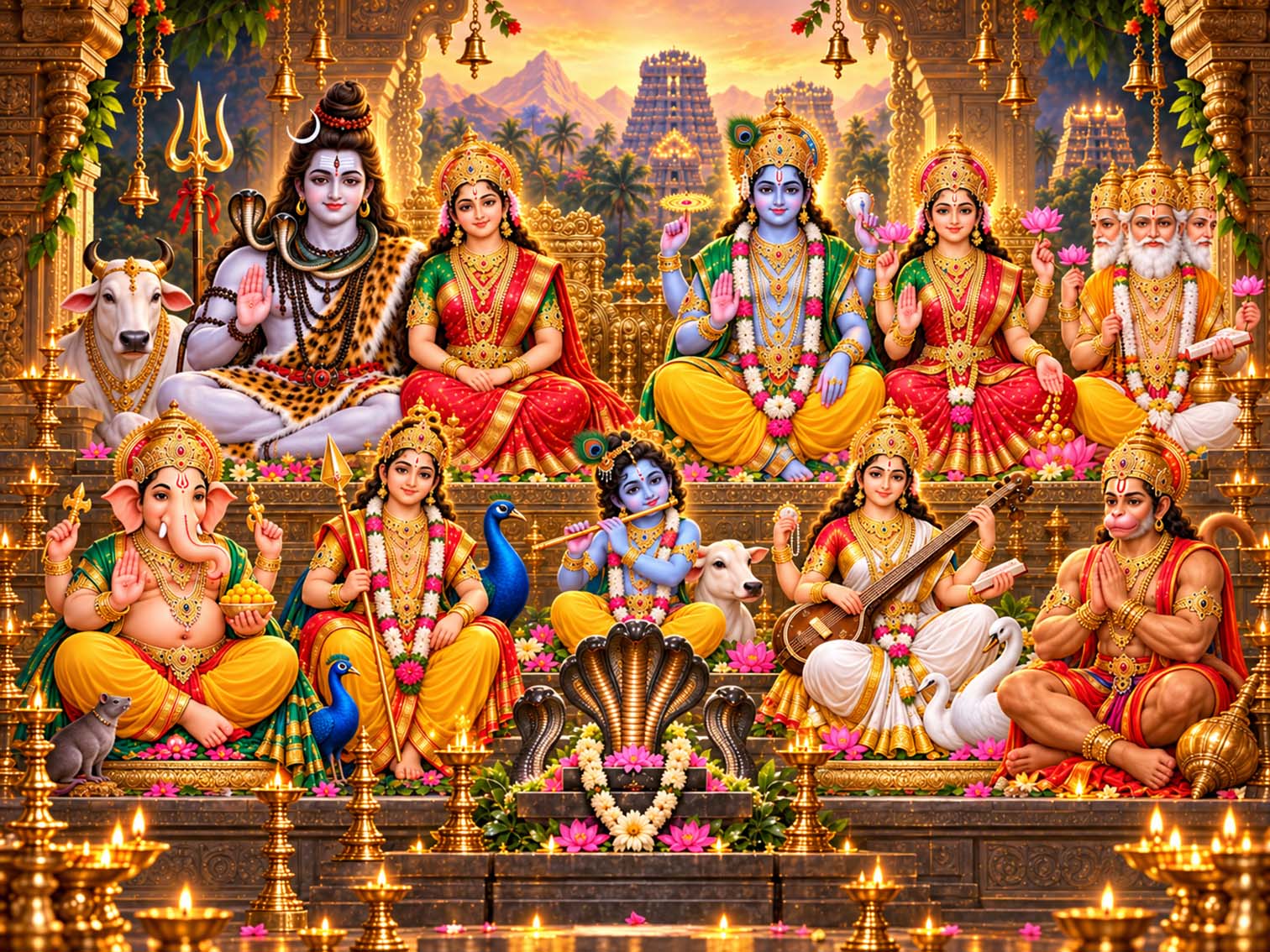
Goddess Narmada Temple
Narmada Mata Temple
Narmada Mata Temple is a shrine dedicated to the sacred river goddess Narmada in Bharuch, Gujarat. It is one of several temples associated with the historic ghats and riverfront of the city. The district administration lists Narmada Mata Temple among the old temples built along the ghat, alongside shrines to Ambaji, Umiya Mata, Kotirudreshwar Mahadev and Vamana. Its location reflects Bharuch’s long relationship with the Narmada, a river revered across central and western India as a living goddess.
The Narmada is worshipped as a sacred mother who purifies, protects and sustains life. Devotees offer prayers and flowers at the temple, often combining darshan with reverence for the river itself. In Hindu tradition, the Narmada is especially associated with circumambulation, or parikrama, and many pilgrims travel along its banks as a demanding act of devotion. Bharuch’s riverfront has consequently served as a place for bathing, ritual offerings and prayer for generations. The temple gives a local focus to this wider reverence.
The shrine’s setting in Bharuch’s ghat district connects it with the city’s old religious and commercial history. The river has shaped the landscape, livelihoods and pilgrimage routes of the region, and worship of Narmada Mata remains part of the city’s cultural life. Devotees visit throughout the year, with special activity during Narmada Jayanti, auspicious bathing dates and festival seasons. Ritual practices vary between families and local priests, so visitors should seek guidance before undertaking specific rites.
Narmada Mata Temple is significant as a place where the sacred river is honoured in personified form. It is not simply a viewpoint on the water: it is an active shrine that expresses the relationship between Bharuch and the Narmada. Visitors should follow local ghat safety guidance, especially during high water or crowded festival periods, and treat the river and temple precinct with respect. The temple’s importance lies in its devotional service to the river goddess and its place in the historic sacred landscape of Bharuch.
Bharuch’s history as an important settlement on the Narmada has shaped the religious landscape along its ghats. Narmada Mata Temple stands among several shrines named by the district administration, showing that the riverfront is a cluster of active sacred places rather than one isolated temple. Pilgrims may offer prayers to the river goddess and then continue to nearby temples dedicated to other forms of the Divine Mother or Shiva. This pattern reflects the broad devotional tradition in which the river itself is honoured as a mother and as a source of purification.