

Mumbadevi Temple
Mumbadevi Temple
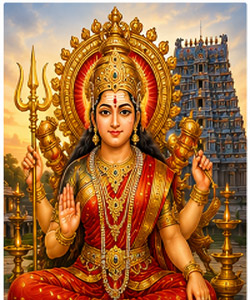
Mumbadevi Temple is a historic shrine dedicated to Goddess Mumbadevi in the Bhuleshwar area of Mumbai, Maharashtra. The temple’s official site describes Mumbadevi as a form of Shakti and as a guardian goddess especially honoured by the Koli fishing community and other early inhabitants of the city. Mumbai’s name is closely associated with the goddess, and the temple presents this relationship as a sacred connection between the deity and the city. This makes Mumbadevi’s shrine not only a place of worship but also a marker of local identity and memory in a neighbourhood now surrounded by busy markets and commercial streets.
The temple’s official history states that an earlier shrine is believed to have stood at Bori Bunder and that the temple was rebuilt at Zaveri Bazaar in 1737 after the earlier structure was destroyed. The current temple is therefore rooted in a history of relocation and renewal. The goddess’s worship predates the modern city’s growth, and community devotion continued as Mumbai developed from an island settlement into a major metropolis. The temple’s location amid jewellery, steel and cloth markets makes this relationship visible: everyday commerce and the city’s older sacred traditions occupy the same dense urban space. The official account notes that Koli fishers and Agri salt collectors regarded Mumbadevi as their protector. This community association is central to the temple’s identity and should not be reduced to a tourist anecdote.
The temple’s website explains the name “Mumba” through the words Maha and Amba, interpreted as “great mother,” and connects the goddess’s name to that of the city. It also preserves a legend in which an eight-armed goddess defeats a demon named Mumbaraka and grants his wish that her shrine carry his name. Such a story belongs to the devotional tradition and offers a sacred explanation for the name; it is distinct from the historical account of the temple’s rebuilding. Visitors may encounter these two kinds of explanation side by side: historical references to the temple’s relocation and community traditions that describe the goddess’s power and protection.
Mumbadevi Temple remains an active place of worship, with darshan, aarti, seva and festival information made available through the temple’s official website. The exact schedule may vary by day or festival, so consult current information before visiting. Navratri is widely significant in worship of the Goddess, but specific temple services, crowd conditions and arrangements should be checked directly with the mandir. The compact shrine sits in a busy commercial district, where the approach may be crowded and street conditions can change. Allow time to walk through the market area, follow the instructions of temple staff and keep personal belongings secure in the crowds.
Visitors should dress modestly, remove footwear where directed and avoid obstructing worshippers. Ask before photographing the deity, rituals or people in prayer. If visiting during a major festival, plan for heavier crowds and possible traffic controls. The temple’s historical and spiritual importance is best understood through its connection to Mumbai’s early communities, the Koli and Agri traditions, the city’s name and the continuity of worship at Zaveri Bazaar. Mumbadevi Temple is a reminder that a modern city’s identity can remain closely bound to a local goddess and the communities who have honoured her across generations.