

Shiva Temple
Kadachira Sri Thrikkapalam Dakshinamoorthy Shiva Temple
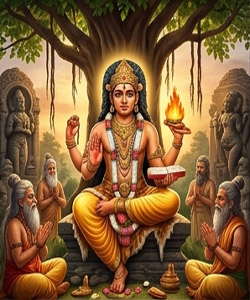
Kadachira Sri Thrikkapalam Dakshinamoorthy Shiva Temple is a historic Shiva shrine in Kadachira, Kannur district, Kerala. It stands near the Anjarakandi River and is one of the temples traditionally identified with the Thrikkapaleeswaram shrines of Kerala. The presiding deity is Shiva in the Dakshinamoorthy form, the divine teacher who imparts wisdom and spiritual knowledge. This form gives the temple a distinctive role among the region’s Shiva shrines.
Dakshinamoorthy is typically represented as Shiva facing south, seated beneath a banyan tree and teaching sages through silence. Devotees worship this form for learning, clarity and spiritual understanding. The temple’s name links it to the Thrikkapalam tradition, which appears in Kerala’s lists of sacred Shiva temples. Local accounts place it among three temples of this name, with the other shrines located in other parts of Kerala. These associations make the temple relevant to pilgrims who follow regional Shiva circuits.
The river setting contributes to the temple’s sacred geography. Devotees visit for darshan and customary offerings, particularly on Mondays, Pradosham and Maha Shivaratri. The temple calendar also includes local festivals and observances maintained by the congregation. As with many Kerala temples, the precise history of the structure is preserved through a combination of inscriptions, local tradition and continuing ritual practice; unsupported founding dates should be avoided.
Visitors should follow local customs on dress, footwear, photography and access to the inner shrine. The temple is an active place of worship, and its quiet setting near the river offers a space for prayer and reflection. Kadachira Thrikkapalam is important for its Dakshinamoorthy form, its place in the regional Thrikkapaleeswaram tradition and its continuing role in the spiritual life of Kannur. It is a temple where Shiva is approached not only as protector but also as the source of knowledge and insight.
The temple’s Dakshinamoorthy identity makes it especially meaningful to students, teachers and devotees seeking knowledge. Many worshippers offer prayers for concentration and discernment, while Shaiva devotees visit for the regular rituals associated with Shiva. The name Thrikkapalam connects the shrine to a wider sacred tradition across Kerala, but the local temple has its own congregation and festival calendar. Visitors should check current observances before travelling and follow the customary route around the sanctum.
Its quiet river setting supports contemplation, while the sanctum remains the centre of worship and the temple’s daily service.
The Thrikkapalam name is connected with a group of sacred Shiva sites in Kerala, and the Kadachira temple is traditionally counted among the three Thrikkapaleeswaram shrines. Its Dakshinamoorthy form gives it a special devotional meaning: Shiva is worshipped as the teacher who conveys knowledge through silence. The temple’s position near the Anjarakandi River adds a natural setting, while local devotees maintain the daily ritual cycle. On Maha Shivaratri, Shaiva worshippers gather for special offerings and prayer. The shrine’s combination of regional pilgrimage identity and teacher-form Shiva makes it distinct among Kannur’s temples.