

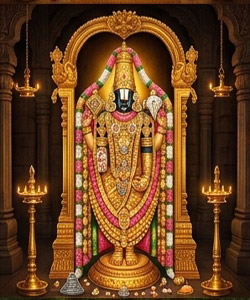
Maha Lakshmi and Maha Vishnu Temple
Chottanikara Bhagavathy Temple
Chottanikkara Bhagavathy Temple is a major Goddess shrine in Chottanikkara, Ernakulam district, Kerala. The presiding deity is worshipped as Bhagavathy, and the temple is one of the state’s most prominent pilgrimage centres. Its devotional tradition presents the Goddess in three forms—Saraswati, Bhadrakali and Durga—associated with different parts of the daily worship cycle. This layered understanding of the deity gives Chottanikkara a distinctive place in Kerala’s Shakta tradition, drawing worshippers who come for darshan, offerings and prayers for protection and well-being.
The temple is best known for Makam Thozhal, its principal annual festival. Kerala Tourism describes the observance as taking place on the Makam day in the Malayalam month of Kumbham, generally February or March. The ritual is associated with the appearance of the Goddess in radiant form and brings large numbers of devotees to the shrine. Makam Thozhal is not just a day for a large gathering; it is a devotional event shaped by the temple’s ritual calendar, the beliefs of worshippers and the central place of the Goddess in local religious life. The temple also observes Navaratri and other festivals during the year. Visitors planning to attend should confirm current dates and arrangements, since the Malayalam calendar determines the observances.
Chottanikkara is also associated with a nearby shrine to Keezhkavu Bhagavathy, which has its own ritual identity within the larger temple landscape. This distinction matters because the complex contains more than one sacred focus, and popular descriptions can sometimes compress different traditions into a single account. Devotees may visit both shrines as part of a broader act of worship. Temple practice is guided by established customs, and visitors should follow local instructions regarding entry, dress and access to ritual spaces.
The temple lies east of Kochi and is accessible from the metropolitan area, yet its precinct retains the character of a pilgrimage centre. The architecture follows the familiar Kerala temple vocabulary of enclosed courtyards, sloping roofs and a sanctum structured around ritual access. The built setting is important, but the main reason for visiting is worship. Daily puja, offerings and the movement of devotees give the temple its living character.
Chottanikkara Bhagavathy Temple is significant as a major Shakti centre, as a place where the Goddess is approached through multiple forms, and as the home of the widely attended Makam Thozhal festival. Its importance comes from continuing devotional practice rather than from one historical date alone. Visitors can learn about Kerala’s Goddess traditions here while remembering that the temple is an active sacred place and that festival customs should be observed respectfully.