

Bhagavati Temple
Chittur Kavu
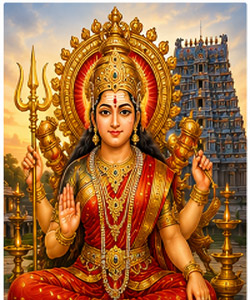
Chittur Kavu, also called Chittur Kavu Bhagavathy Temple, is a Devi shrine in Anikode, within Chittur-Thathamangalam in Palakkad district, Kerala. The presiding deity is Bhagavathy, worshipped as a protective Goddess. The temple is especially known as the centre of Konganpada, a distinctive annual festival that connects worship with the historical memory of conflict between the people of Chittur and the neighbouring Konganadu region. The shrine remains an active place of worship and a major focus of local identity.
Kerala Tourism identifies the Konganpada festival as being celebrated at Chittukavu Bhagavathy Temple, about eleven kilometres from Palakkad town. The festival is linked in local tradition to a battle between the Chittur Nairs and the militia of Konganadu, remembered as having occurred in 918 CE. The historical account is preserved through a ritual performance that reenacts aspects of the conflict; it should be understood as a community tradition rather than treated as a complete military record. The annual ceremony is a striking example of how local history is carried through religious practice.
Konganpada takes place in the Malayalam month of Kumbham and includes processions, ritual enactments and community participation. The exact Gregorian date shifts each year, and visitors should check local announcements before travelling. The festival brings together people from Chittur and surrounding areas, with the Goddess at the centre of the observance. Outside the festival, daily worship and other seasonal rites continue at the temple.
The temple is accessible by road from Chittur town and Palakkad. On festival days, large crowds and temporary traffic arrangements are likely, so visitors should follow local instructions and allow extra time. Appropriate dress and respectful behaviour are expected. Visitors should remove footwear where directed, follow rules about offerings and photography and avoid obstructing ritual spaces. The temple’s active devotional life should remain central to the visit.
Chittur Kavu is significant as a living Bhagavathy shrine and as the setting of Konganpada, one of Kerala’s most distinctive temple festivals. Through this observance, the community renews a shared memory of regional history while honouring the Goddess. The temple’s continuing role makes it important not only to worshippers but also to understanding Palakkad’s cultural traditions and the ways religious festivals preserve local identity. The ceremonial play and the gathering of surrounding communities make Konganpada a shared inheritance, renewed each year in the presence of the Goddess and her devotees, reinforcing a strong local sense of belonging locally too.