

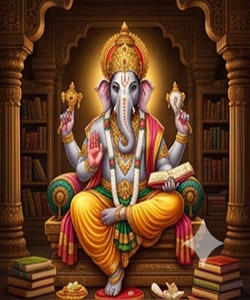
Ganesha (Ballaleshwar) Temple
Ballaleshwar Ashtavinayak Temple Pali
Ballaleshwar Temple at Pali is one of Maharashtra’s eight Ashtavinayak shrines dedicated to Lord Ganesha. It is unique among them because its name honours Ballal, a devotee, rather than using a name of Ganesha alone. The Maharashtra Directorate of Tourism describes the temple as a pilgrimage destination in Pali village and connects its identity with a story of devotion and divine grace. The temple is an active place of worship and a stop on the Ashtavinayak circuit, so the experience is shaped by both local devotees and pilgrims travelling through the sequence of Ganesha shrines across the state.
The Ballal story is central to the shrine’s name. According to the devotional account presented by Maharashtra Tourism, Ballal was a boy whose deep worship of Ganesha worried his father, Kalyan. The father disrupted the children’s worship and left Ballal bound to a tree, but the boy continued praying. Ganesha appeared in the form of a sage, released and blessed him, then granted Ballal’s wish that the deity remain at Pali. In that account, Ganesha became known as Ballaleshwar, the lord of Ballal. The story is a sacred legend, not a dated historical record, and its emphasis is on the strength of devotion even when the devotee faces opposition.
The temple’s architectural history spans multiple periods. Maharashtra Tourism says an initial wooden shrine dates to the eleventh century and that the structure was rebuilt in stone in 1760 under the patronage of Shri Fadnis. The department describes the plan as shaped like the sacred syllable “Shri” and notes the use of lead mixed with cement in the construction. The east-facing orientation allows the rising sun’s rays to illuminate the deity, according to the tourism account. The complex includes two lakes, tiled courtyards, an inner and outer sanctum, and a hall with eight carved pillars. These details offer visitors a way to notice how architectural choices, light and devotional symbolism are brought together in the temple.
Before reaching the main sanctum, devotees traditionally visit Dhundi Vinayak, which the tourism page identifies as a self-manifested image associated with the stone worshipped by Ballal and his companions in the legend. The principal Ganesha image is described as seated on a stone throne, with the trunk turned to the left. The tourism account also notes details such as diamond ornaments on the eyes and navel. Ganesh Chaturthi, Bhadrapada Utsav and Maghi Utsav are named among the main celebrations, with special pujas, processions and community observances. Dates follow the Hindu calendar and vary each year; check current temple notices for the programme, opening times and seva availability.
Pali is reached by road from Mumbai and Pune, and the Maharashtra Tourism page gives Roha as the nearest railway station. Travel times can vary, so verify local transport and routes before setting out. Festival days bring larger crowds and may affect queues and parking. Dress respectfully, follow the temple staff’s directions and ask before taking photographs inside worship areas. Ballaleshwar’s importance comes from its place in the Ashtavinayak pilgrimage, the Ballal legend, the distinctive stone architecture and the continuing practices of worship that unite pilgrims and local devotees.